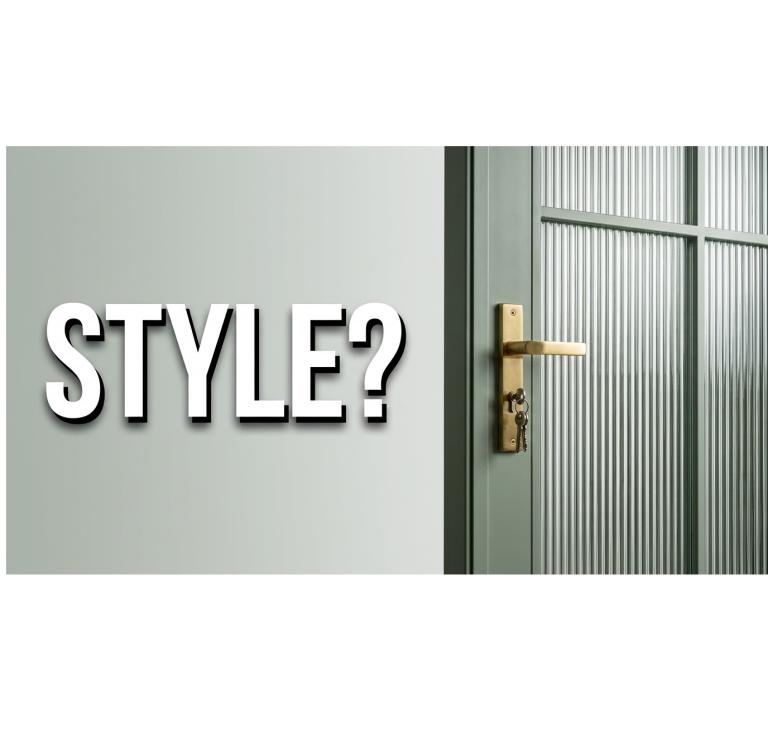
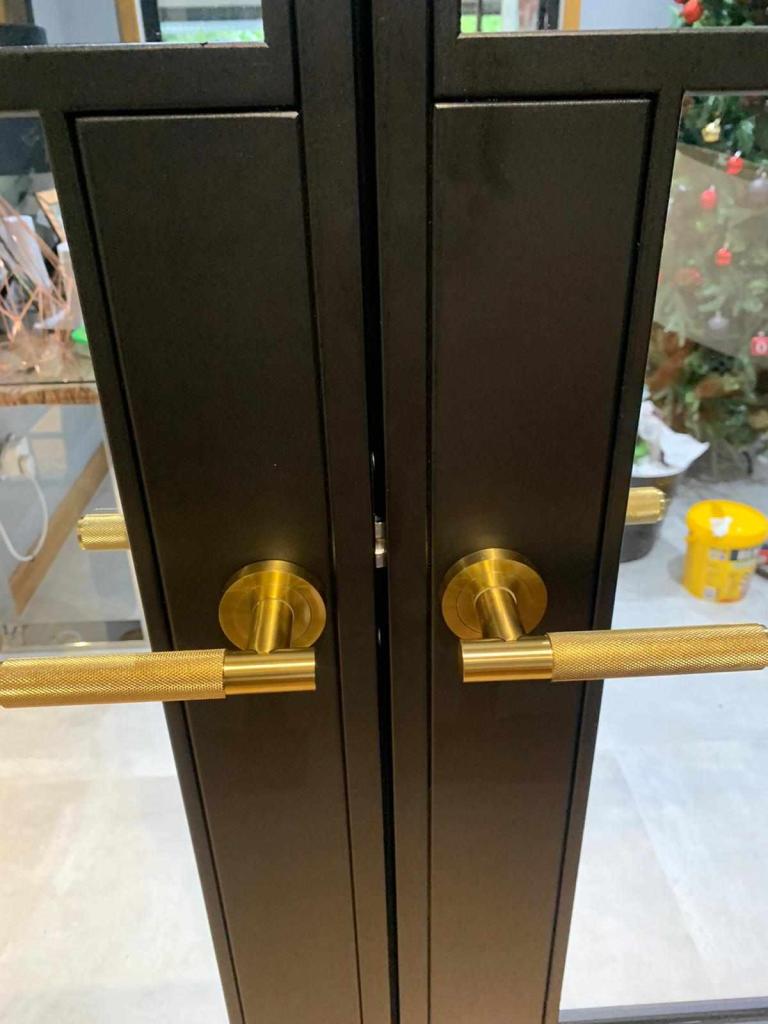
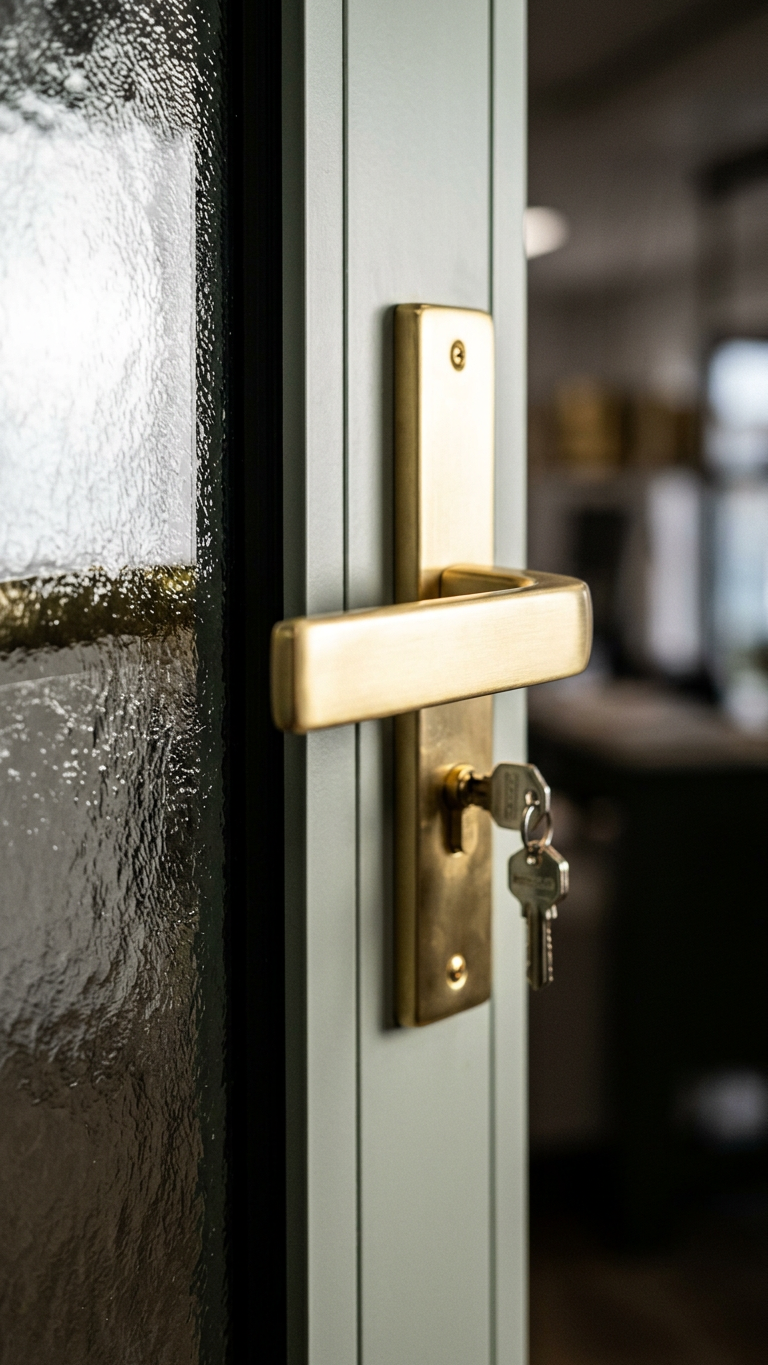
Small details have a habit of defining the entire feel of a space. A window handle may seem secondary next to sightlines, proportions, and glazing bars, yet it sits at the point of contact—where design becomes experience. In steel windows, that experience matters even more, because the aesthetic is intentionally precise: slim profiles, crisp corners, and carefully considered hardware.

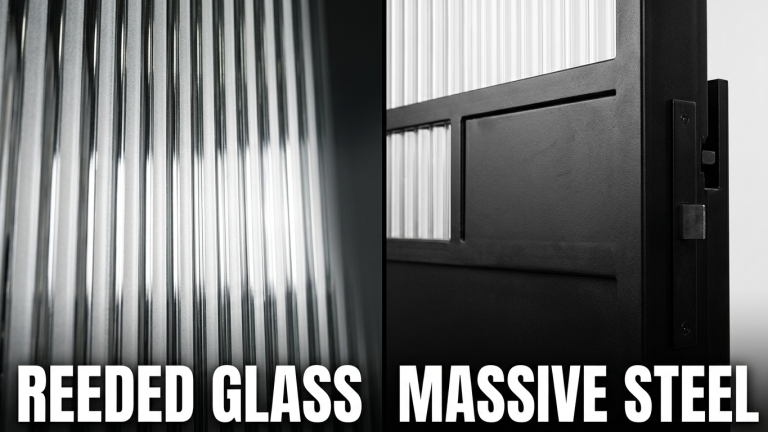
Why are so many of today’s most memorable interiors and façades framed in steel? Across private homes, boutique hospitality, and commercial developments, steel has moved from a niche “industrial” look into a mainstream architectural language—valued for its slim sightlines, strength, and ability to elevate light-filled spaces with crisp geometry.

What makes a steel door feel truly “high-end” the moment it closes—sound, weight, precision, or the way light frames the room beyond? In reality, it is all of these details working together, engineered and crafted with intent. Premium steel doors are not simply fabricated; they are designed as architectural elements that must perform for decades while looking effortlessly refined.

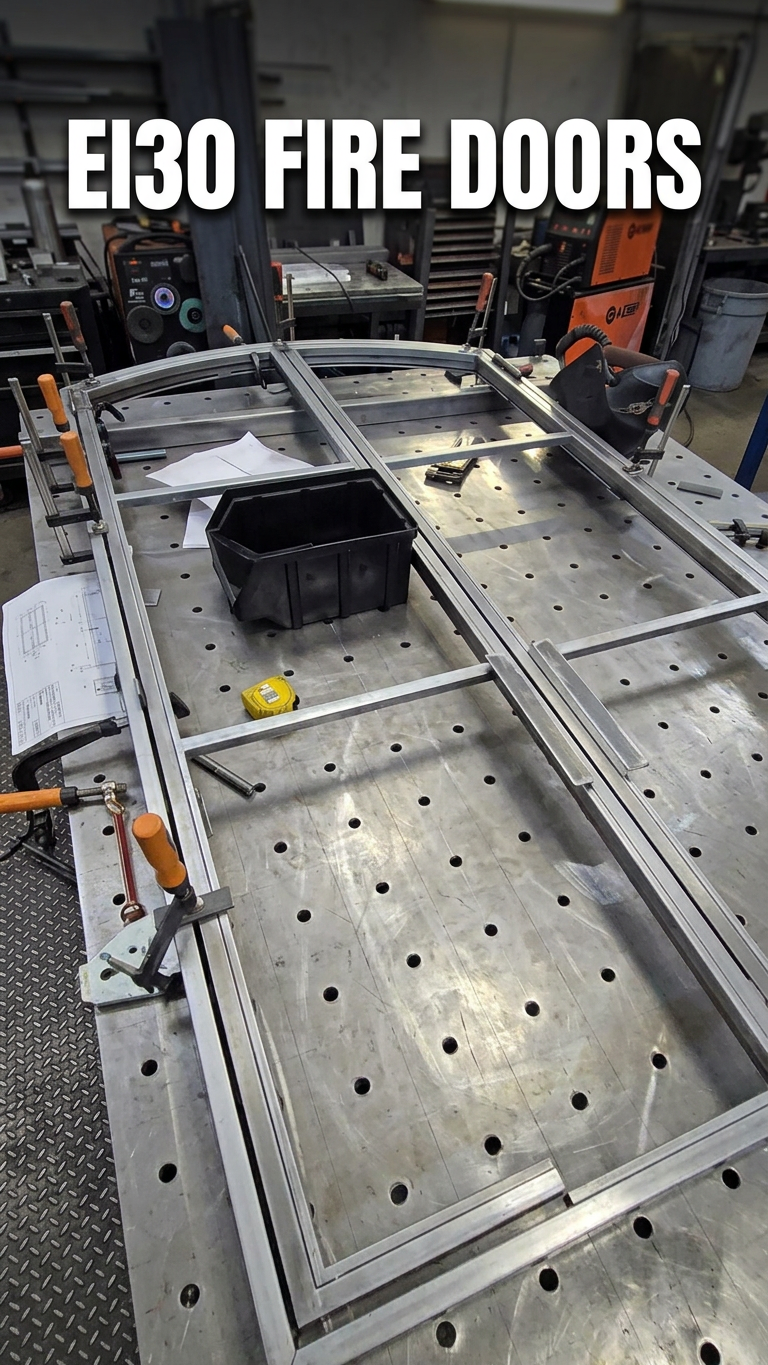
Fire doors rarely get attention until a project reaches building control, a tender package lands on a contractor’s desk, or an existing building faces a compliance review. In escape routes, corridors and stairwells, the fire door is not a decorative afterthought; it is a critical safety component that supports compartmentation, protects egress, and helps limit smoke and flame spread.

Choosing steel doors often starts with aesthetics: slim sightlines, crisp geometry, and that unmistakable industrial edge. The next question tends to be more practical: what happens when fire safety requirements enter the conversation? The difference between EI fire rated steel doors and standard steel doors is not a small specification detail—it can define what is legally permitted, what protects escape routes, and what performance can be expected in a real emergency.

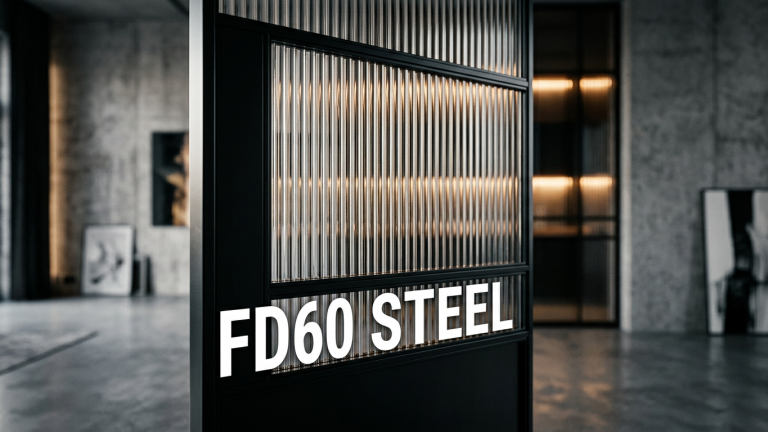
Fire safety requirements rarely leave room for compromise, yet many projects still demand standout architectural detail. Steel arched doors sit right at that intersection: heritage-inspired curves, modern slim sightlines, and the potential to meet demanding fire performance targets. The key is understanding what “FD60” actually means in practice—and what to ask for before specifying or buying.

Open industrial workspaces look impressive—until noise, glare, and a lack of privacy start affecting focus. The challenge lies in keeping the loft-like character while introducing structure, flow, and purpose. Space division is the difference between a workplace that merely looks “industrial” and one that genuinely works.

Luxury glazing rarely fails because of bold design. More often, it disappoints because of small compromises: profiles that look chunky in real life, inconsistent fabrication, poor sealing, or lead times that slip when a project is already on site. When premium interiors and architecture depend on light, proportion, and precision, the manufacturer behind the steel matters as much as the drawing.

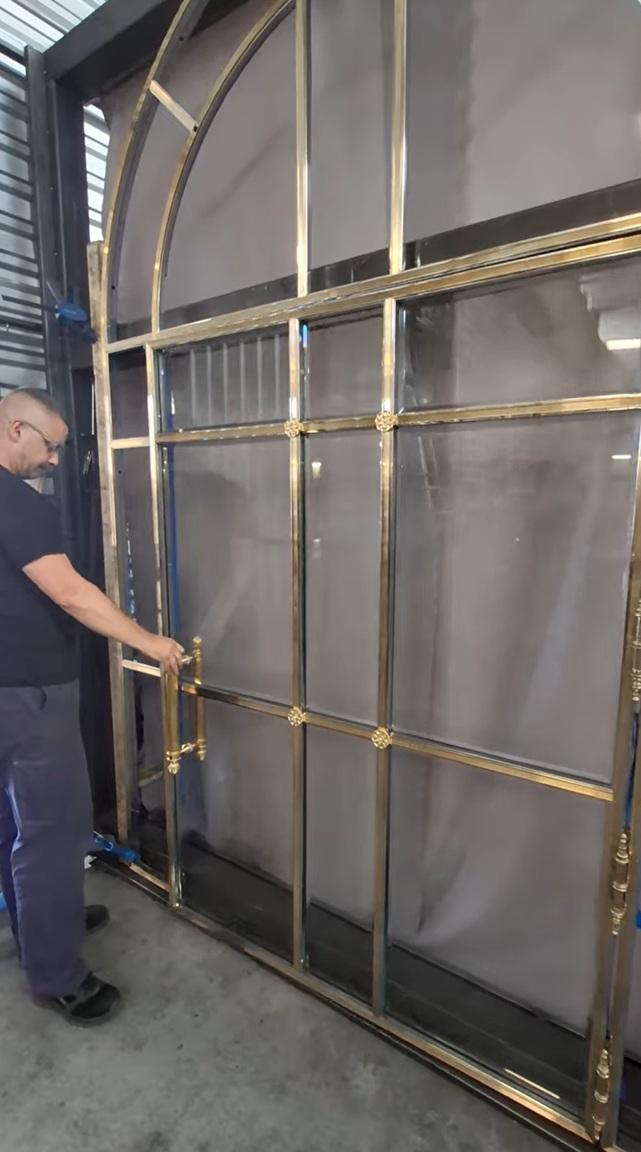
Steel doors rarely get described as “romantic”—until a Gothic arch enters the picture. That pointed curve instantly changes the mood of a space, bringing height, drama, and a sense of heritage that feels both classic and surprisingly current. In contemporary architecture and interiors, the Gothic arch has re-emerged as a statement detail, often paired with slim steel profiles and expansive glazing to keep the look light and modern.

Specification decisions often come down to a single question: how to deliver maximum light, durability, and architectural clarity without compromising performance. Steel doors answer that brief with distinctive slim sightlines and a structural confidence that feels both contemporary and timeless. For architects and designers working on high-expectation residential and commercial projects, bespoke steel-framed doors have become a go-to solution for creating refined transitions between spaces.