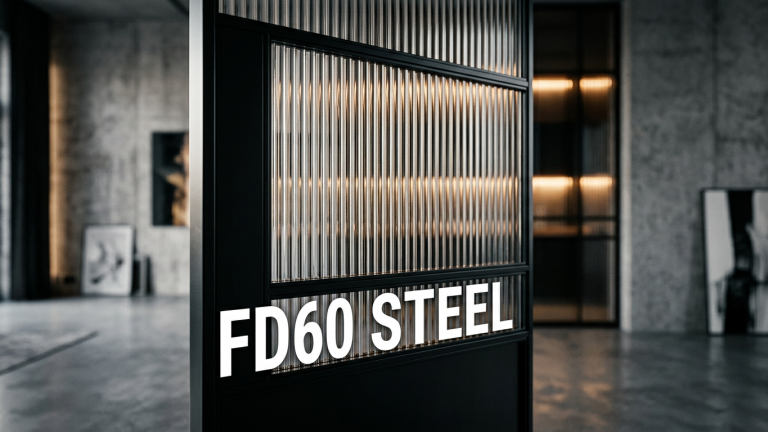
Open industrial workspaces look impressive—until noise, glare, and a lack of privacy start affecting focus. The challenge lies in keeping the loft-like character while introducing structure, flow, and purpose. Space division is the difference between a workplace that merely looks “industrial” and one that genuinely works.

Luxury glazing rarely fails because of bold design. More often, it disappoints because of small compromises: profiles that look chunky in real life, inconsistent fabrication, poor sealing, or lead times that slip when a project is already on site. When premium interiors and architecture depend on light, proportion, and precision, the manufacturer behind the steel matters as much as the drawing.

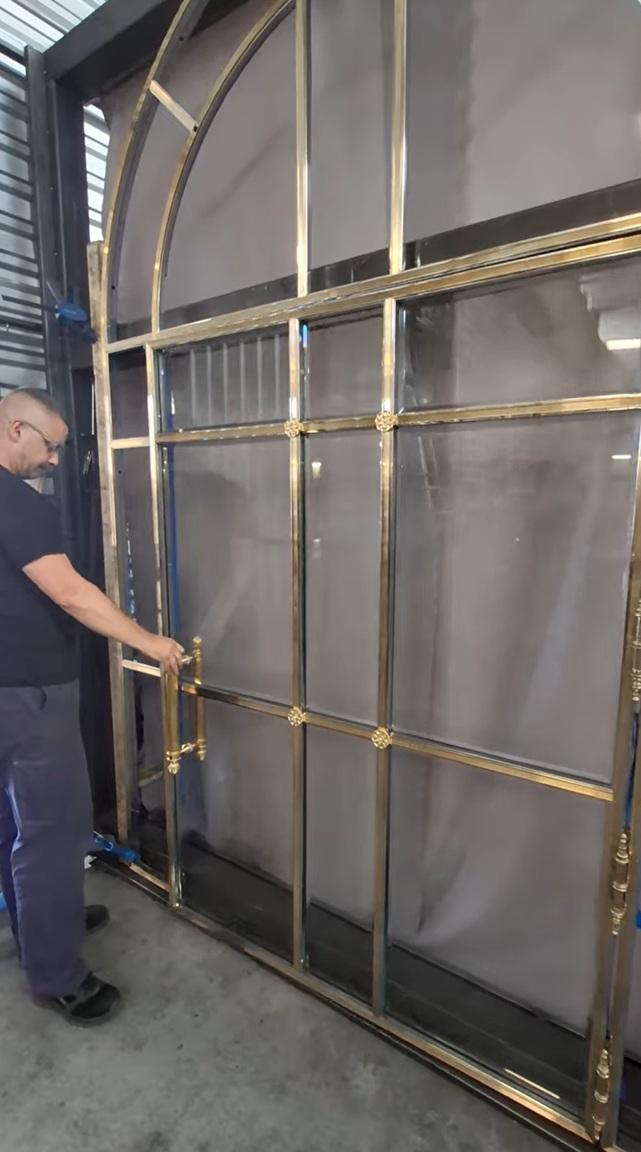
Steel doors rarely get described as “romantic”—until a Gothic arch enters the picture. That pointed curve instantly changes the mood of a space, bringing height, drama, and a sense of heritage that feels both classic and surprisingly current. In contemporary architecture and interiors, the Gothic arch has re-emerged as a statement detail, often paired with slim steel profiles and expansive glazing to keep the look light and modern.

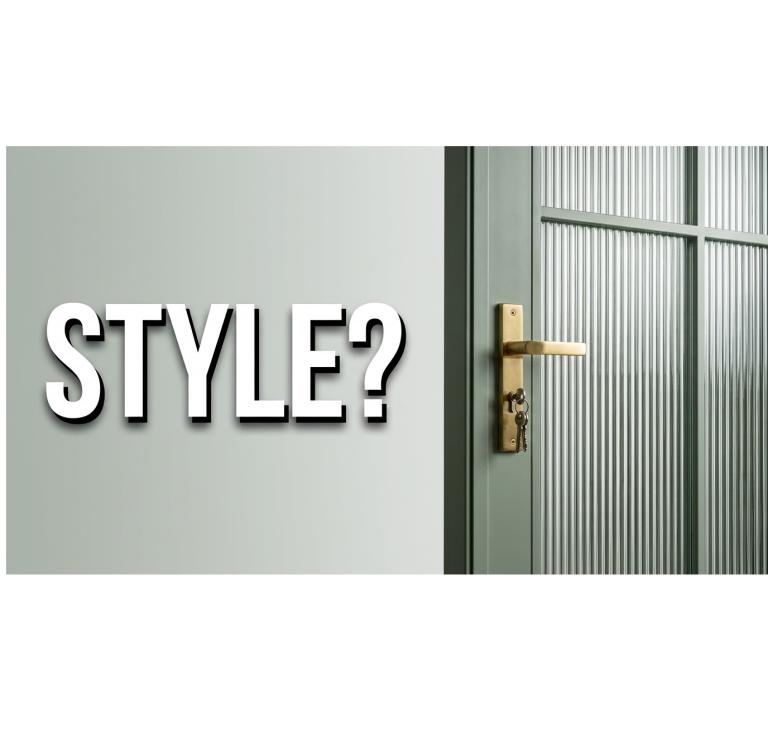
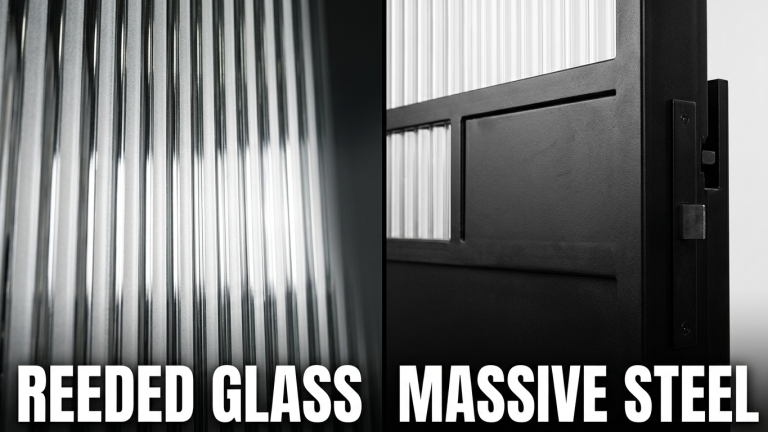
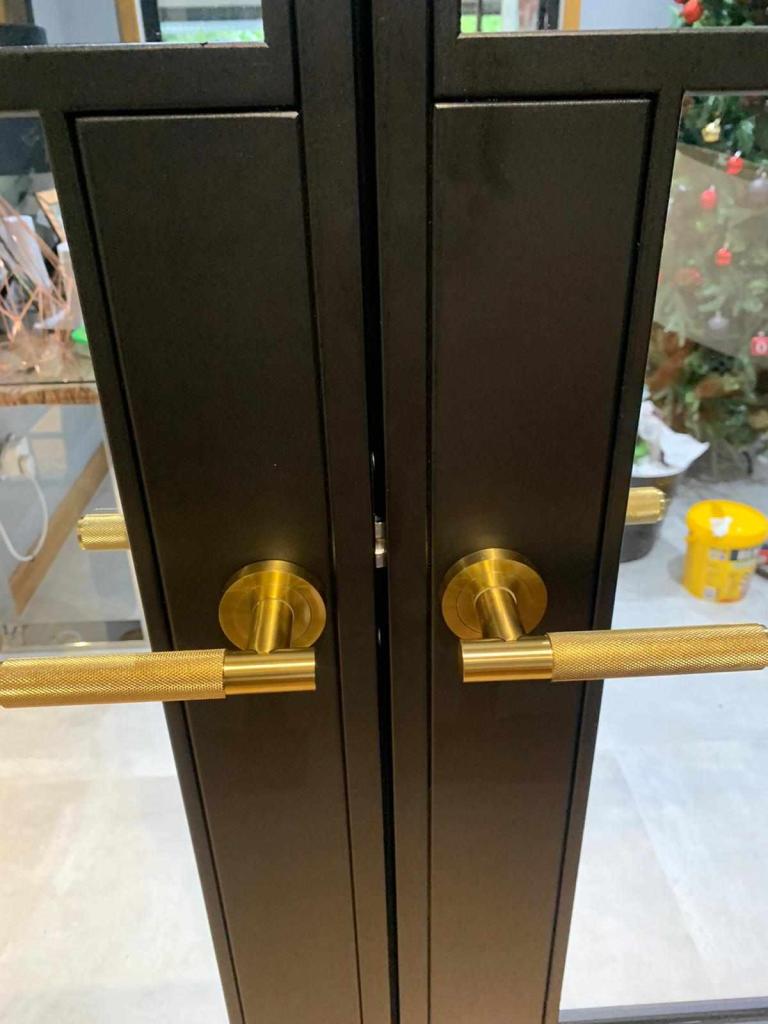
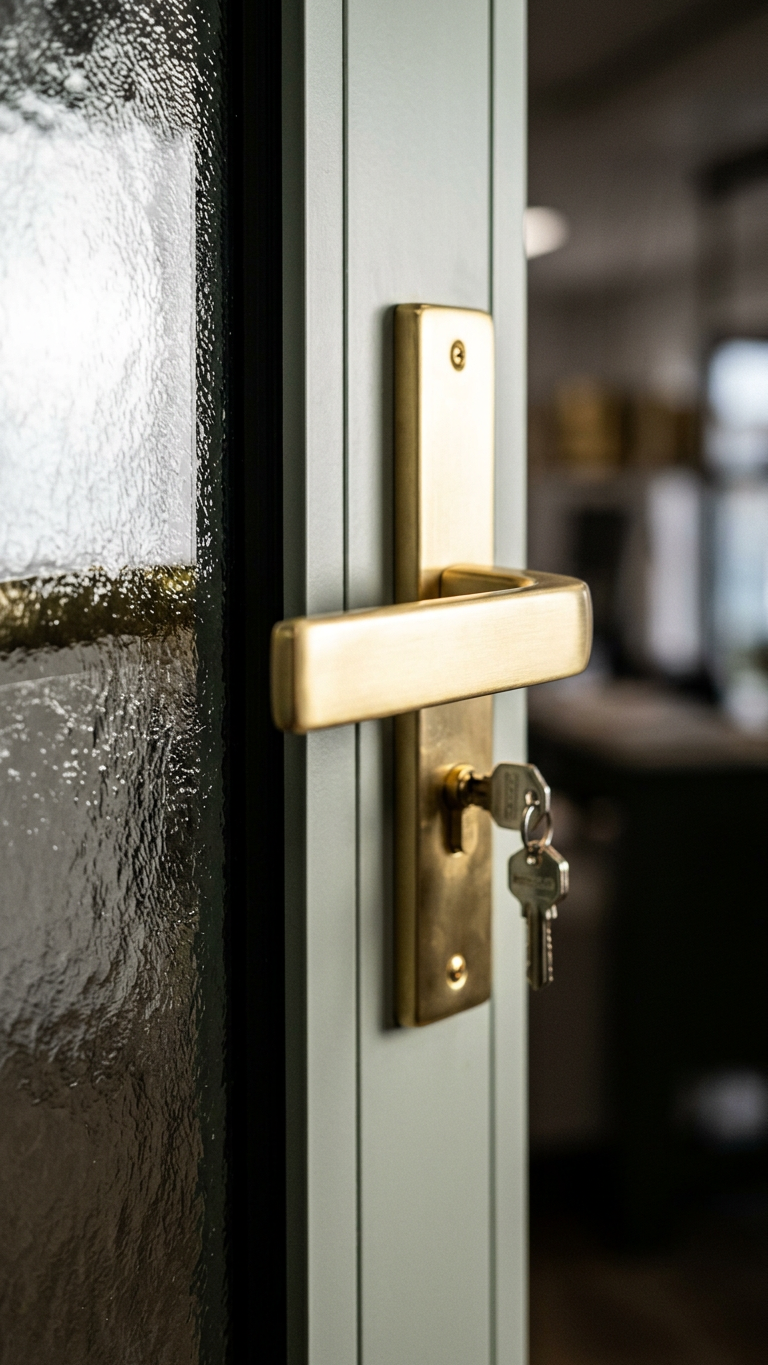
Specification decisions often come down to a single question: how to deliver maximum light, durability, and architectural clarity without compromising performance. Steel doors answer that brief with distinctive slim sightlines and a structural confidence that feels both contemporary and timeless. For architects and designers working on high-expectation residential and commercial projects, bespoke steel-framed doors have become a go-to solution for creating refined transitions between spaces.

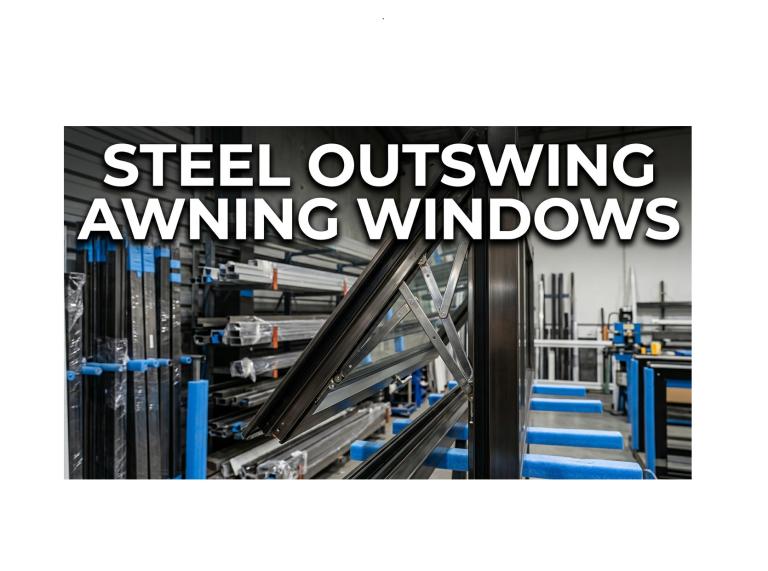
Plenty of glazing systems promise “minimal sightlines” and “high performance,” yet few deliver both without compromise. Ottostumm W50 steel windows glazing has become a frequent reference point in architectural conversations because it pairs the refined look of slim-frame glazing with thermal performance suitable for demanding residential and commercial projects.

Art Deco has a rare talent: making a space feel both luxurious and practical at the same time. Seen in landmark buildings, elegant apartments, boutique hotels, and contemporary renovations, the style delivers instant structure, polish, and visual rhythm. The best part is that Art Deco does not require a full period property or a complete redesign. A few well-chosen Art Deco design elements can transform interiors in a measured, modern way.

Dark blue steel doors have a way of stopping people mid-step. The colour feels confident without being loud, modern without being cold, and expressive without becoming trendy in a way that dates quickly. When paired with slim steel sightlines and large panes of glass, deep navy tones create an architectural statement that still works beautifully in everyday interiors.

Fire doors often get treated as a necessary compromise: safe, compliant, and visually forgettable. That assumption no longer holds. Industrial-style FD30 fire doors can deliver certified protection while enhancing the architecture of an interior—especially when slim steel frames and carefully selected glazing bring light, rhythm, and a refined edge to a space.

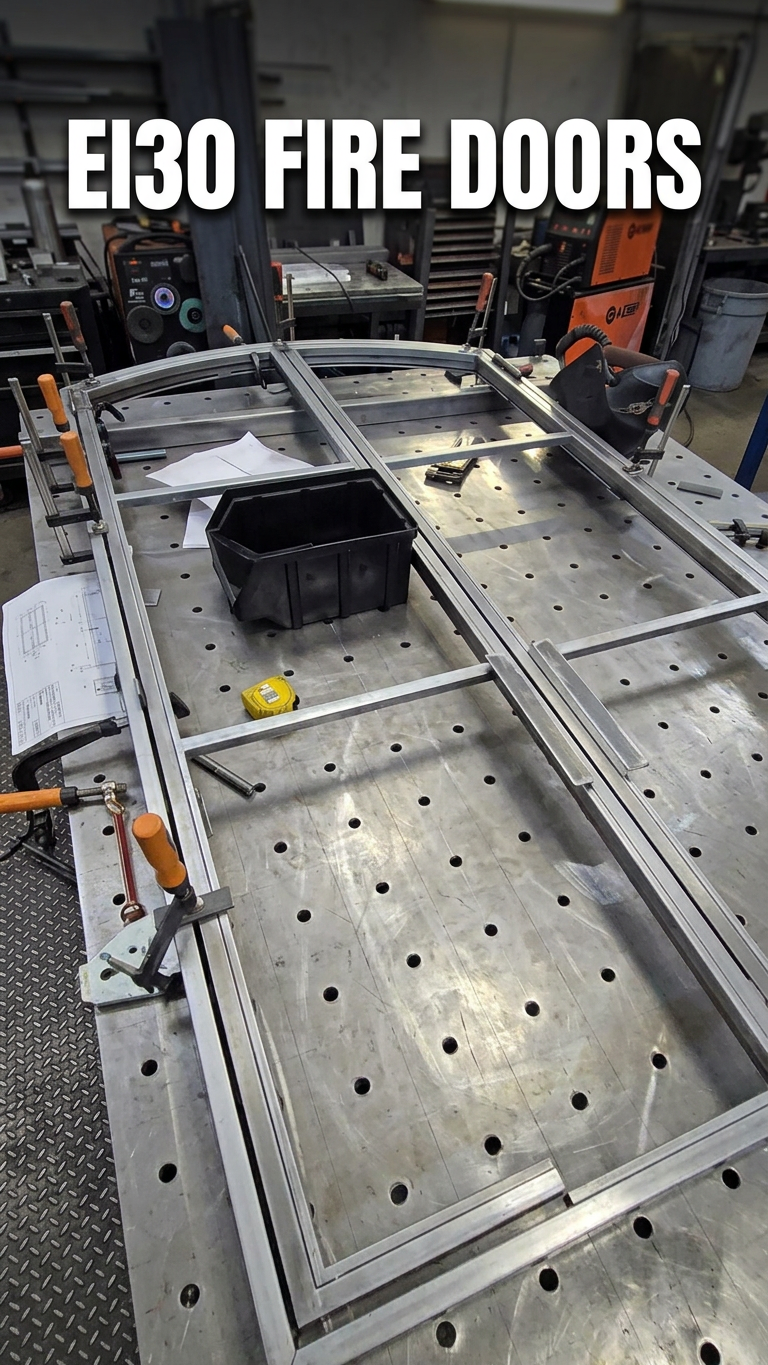
Fire safety requirements often arrive late in the design process—right when layouts, finishes, and sightlines have already been carefully resolved. The result can be a familiar compromise: robust doors that look heavy, interrupt light flow, and dilute the architectural intent. FD30 fire rated steel doors with glass offer a more design-led path, delivering 30 minutes of fire resistance while preserving transparency, slim proportions, and a refined industrial character.

Specifying a door can feel deceptively simple—until fire safety enters the conversation. Terms like “FD30,” “fire door set,” and “intumescent seals” quickly turn a design decision into a compliance decision, especially on multi-occupancy and commercial projects. Getting it right matters: fire doors are among the most important passive fire protection measures in any building.