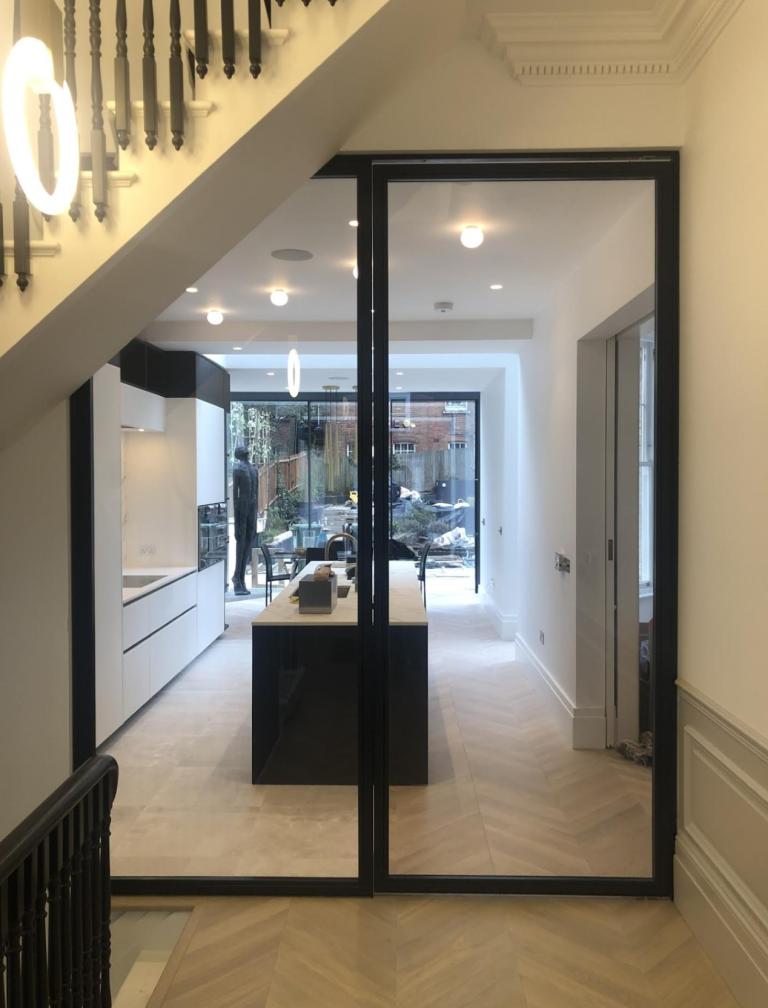
Fire safety rarely starts with aesthetics or brand preference. Fire safety starts with a moment that nobody wants to imagine: a corridor filling with smoke, a stairwell becoming the only escape route, a storage room fire spreading beyond its compartment. In that moment, the door specification is not a detail. The door specification is a decision that can protect people, limit damage, preserve business continuity, and keep a building compliant.

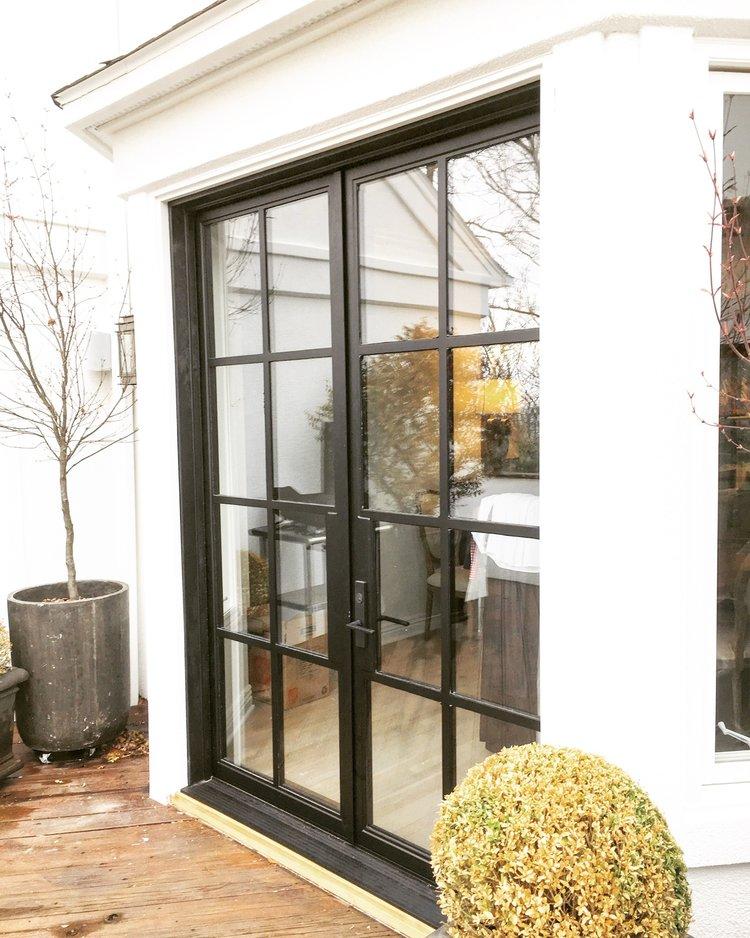
Matching a façade and an interior scheme should never require compromise. Yet many projects hit the same snag: an exterior concept that calls for warm, weathered tones and an interior that demands crisp, minimalist black. Dual-finish steel windows—corten-effect on one side and black steel on the other—solve that tension with a single, coherent glazing specification.

FD30 fire doors are among the most common specifications in the UK. The label appears on drawings, schedules, and compliance checklists, but the practical meaning can feel unclear—especially when deciding between timber and steel, or when balancing safety with design goals.

This guide explains what FD30 means, 

Fire safety requirements in the UK rarely feel complicated—until a project reaches the door schedule. Suddenly, terms like FD30, self-closing devices, intumescent seals, and certification bodies appear in specifications, tenders, and building control comments. Getting one detail wrong can delay handover, trigger costly replacements, or undermine the fire strategy.

Windows play a vital role in defining the aesthetic and functional quality of any building. Whether for a residential home or a commercial property, choosing the right material for your windows is crucial. Steel windows are gaining popularity both in the USA and Europe, offering a blend of durability, design flexibility, and safety features that are hard to beat. As architectural trends evolve, many are turning to steel for their window needs, with companies like Portamet, a leading European producer of steel doors and windows, setting the benchmark for quality and innovation. This blog explores five compelling reasons why you should consider steel for your windows.

Fire-resistant steel doors play a crucial role in enhancing the safety and security of buildings during retrofit projects. These doors are designed to withstand extreme heat and prevent the spread of fire, offering critical protection for both property and occupants. Understanding the specifications and regulations surrounding fire-resistant doors is essential for UK architects and door shop owners aiming to implement them effectively.

The process of glazing windows is a meticulous one, often involving precision, skill, and a deep understanding of both materials and techniques. When it comes to steel windows, particularly those manufactured using Jansen Arte 2.0 profiles, the complexity increases. These windows, known for their slender sightlines and maximum transparency, require a specialized approach to ensure longevity and aesthetic appeal.

In the world of architectural design and construction, Ottostum W20 steel doors have established themselves as a benchmark for quality, durability, and aesthetic appeal. These doors are not just an entryway but a work of art crafted meticulously by skilled artisans. As a leading name in the UK market, Portamet is known for its exceptional craftsmanship and the ability to deliver custom steel doors that meet unique client requirements.

Fire-rated steel doors have become an integral component in both residential and commercial buildings across the UK. Their primary purpose is to enhance the safety of facilities by providing resistance to fire, thereby slowing its spread and offering occupants more time to evacuate safely. In addition to their fire-resistant properties, these doors are also lauded for their durability, security features, and low maintenance requirements. However, one of the aspects that consumers and building professionals often consider is their effect on sound insulation.