Secco OS65 Steel Windows in White: A Bright Take on Slim-Frame Glazing
White steel windows can feel like a contradiction: steel suggests bold, dark lines, while white suggests lightness and calm. Yet this pairing is exactly what makes white slim-frame glazing so compelling in contemporary architecture and interiors. With the right specification, white steel windows deliver the structure and precision of steel while amplifying daylight, softening contrasts, and widening the design options far beyond the classic black “Crittall-style” look.
Secco OS65 steel windows in white sit at the intersection of minimal aesthetics, strong engineering, and everyday practicality. Used in renovations, extensions, and new builds alike, OS65-style systems are chosen for their refined proportions and the ability to integrate modern performance expectations into an elegant steel frame. For projects that need crisp detailing without visual heaviness, white becomes a powerful, architecture-led choice.
What Makes Secco OS65 Steel Windows a Design Favourite
OS65 is widely associated with slim steel profiles and a clean, architectural expression. The appeal begins with sightlines: narrow frames and glazing bars create a fine grid that feels intentional rather than bulky. This is especially valuable in spaces that depend on natural light or where the view deserves to stay uninterrupted.
Steel also offers inherent stiffness, which supports larger panes and slimmer sections than many alternative materials. That strength enables an airy look without compromising on solidity. In practice, OS65-style steel windows can deliver the visual rhythm designers love—strong verticals, balanced proportions, and crisp intersections—while keeping frames discreet.
For architects and builders, another advantage is flexibility. Slim-frame glazing can be adapted across different window types and configurations, supporting consistent detailing across a façade or throughout an interior scheme. The result is coherence: one language of lines repeated from room to room, from elevation to elevation.
Why White Steel Windows Are Having a Moment
Black steel windows have defined the industrial-inspired era, but design tastes have matured. White steel frames are increasingly specified for projects that want the same slim steel geometry with a softer, brighter outcome. The frame becomes a calm outline rather than a bold graphic statement.
White also changes how a window reads in a space. Against white or pale walls, the frame can visually recede, making glazing feel larger. In smaller rooms or tight urban plots, this effect can be transformative: more perceived openness, less visual segmentation, and a cleaner transition between interior and exterior.
In heritage contexts, white steel windows can align more naturally with traditional palettes. Many period façades and classical interiors suit lighter joinery, and white slim-frame glazing can offer a contemporary performance upgrade without fighting the character of the building.
White Frames and Light: A Practical Advantage
Beyond style, white frames influence brightness. A lighter finish reflects more light than darker colours, which can help reduce harsh contrast near the window reveal. This is valuable in north-facing rooms, shaded courtyards, or homes where daylight is precious. While glazing specification remains the main driver of thermal and solar behaviour, frame colour plays a subtle role in the overall luminous feel of a space.
Secco OS65 in White: Where It Works Best
White steel windows are not a one-style solution; they adapt to multiple aesthetics. Secco OS65 steel windows in white are particularly effective in projects where slim-frame glazing needs to look refined rather than industrial. The system’s crisp lines support modern minimalism, but the white finish can also suit more classic interiors.
Scandinavian and Japandi Interiors
Light timber, soft textiles, and muted tones benefit from window frames that don’t dominate the room. White steel frames maintain the disciplined geometry designers want while staying visually gentle. The slim profiles add architectural definition without introducing heavy contrast lines.
Coastal Homes and Bright Renovations
In coastal or waterside settings, white joinery feels natural and timeless. Pairing white steel windows with plaster walls, pale stone, or painted timber can create an elevated, modern coastal look that still feels relaxed. Slim steel sections keep the design sharp, avoiding the bulk that can make light schemes feel flat.
Contemporary Extensions on Period Properties
Many renovations involve adding a modern extension to a period home. White slim-frame glazing can bridge the gap between old and new, particularly when the original building uses light-coloured frames or traditional detailing. The extension can feel crisp and contemporary without the starkness that black frames sometimes introduce.
Commercial Interiors: Studios, Wellness, Hospitality
White steel-framed partitions and windows can work beautifully in studios, clinics, and hospitality interiors that want structure without severity. In these spaces, a lighter frame can support a calmer atmosphere while preserving the premium look associated with bespoke steel frames.
Steel vs Aluminium vs uPVC: Why Steel Still Leads for Slim Sightlines
Material choice shapes both aesthetics and long-term performance. Many projects compare steel windows with aluminium and uPVC, especially when slim-frame glazing is the goal. Each material has its place, but steel remains the reference point for truly refined sightlines.
Steel Windows
Steel’s strength allows narrow profiles and crisp detailing. It holds its shape well, supports elegant glazing bars, and delivers an architectural finish that feels precise. In high-end residential and commercial projects, steel windows are often selected where design intent is paramount and where longevity matters.
Aluminium Windows
Aluminium can achieve slim profiles, particularly in certain systems, and offers good corrosion resistance. However, achieving the same thin visual lines as steel can be more challenging, especially where the design includes traditional glazing bars. Aluminium can be an excellent option for some modern façades, but the look is often different—slightly heavier or more “extruded” in character.
uPVC Windows
uPVC is typically chosen for cost efficiency and ease of installation, but it is rarely the best match for projects seeking a premium, slim-frame aesthetic. Sightlines are generally thicker, and the overall feel may not align with architectural interiors or design-led renovations. For clients aiming for Crittall-style elegance or bespoke detailing, steel is usually the material that delivers the intended result.
Thermal Performance: What to Expect from OS65-Style Steel Windows
Today’s steel windows are expected to do more than look good. Thermal efficiency, comfort, and compliance are central to modern specification, especially for projects in the UK, Europe, and North America. When considering Secco OS65 steel windows in white, it is important to approach performance in a structured way: system choice, glazing, seals, and installation quality all matter.
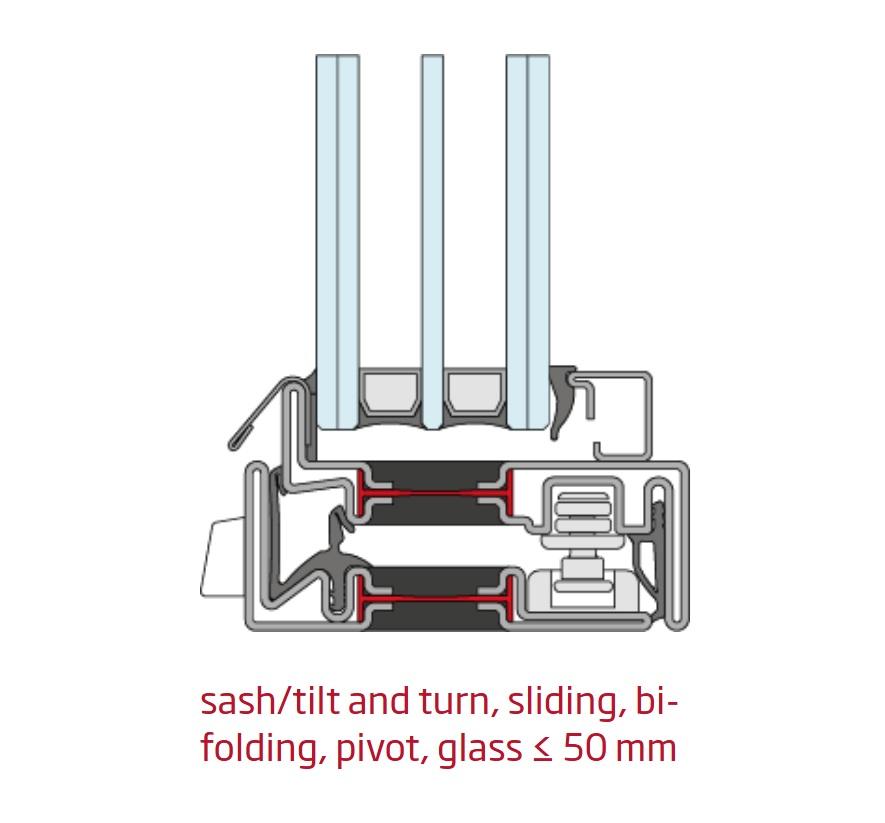
Thermally improved steel systems use insulating elements and advanced gasket designs to reduce heat transfer. When paired with appropriate double or triple glazing, steel windows can meet demanding comfort requirements while maintaining slim profiles. This is one of the key reasons slim steel systems remain relevant: the visual benefits no longer require sacrificing performance.
Glazing Specification: The Biggest Lever
The glass unit has a major impact on thermal behaviour. Low-E coatings, warm-edge spacers, gas fills, and appropriate thickness choices can significantly improve insulation. Acoustic upgrades can also be integrated, which is valuable in city-centre renovations or roadside properties.
Airtightness and Detailing
Even the best steel windows depend on correct detailing. Thoughtful interface design around reveals, membranes, and insulation continuity helps prevent drafts and cold bridging. For architects and builders, aligning the window specification with the wall build-up is crucial for achieving the comfort levels clients expect.
Choosing the Right White Finish: Colour, Texture, and Durability
“White” is not a single colour, and the finish specification can shape the final feel of the windows as much as the profiles themselves. Warm whites, cool whites, soft off-whites, and crisp architectural whites all behave differently under natural and artificial light.
In design terms, a warm white can soften a room with timber floors and creamy walls, while a cooler white can sharpen modern interiors with concrete, stone, and minimalist detailing. The sheen level matters too: matte or satin finishes often feel more contemporary and reduce reflections, while a glossier finish can feel more classic and can be easier to wipe clean.
Powder Coating and Everyday Practicality
For steel-framed glazing, powder coating is commonly specified for durability. A high-quality coating helps resist wear in high-traffic areas such as doors, interior partitions, and frequently opened windows. It also supports consistent colour across multiple elements—useful when matching doors, windows, fixed screens, and even adjacent steelwork.
Maintenance Considerations for White Steel Frames
White frames can show marks more readily than dark finishes, but good specification and sensible care keep them looking fresh. Smooth finishes tend to wipe clean easily, while textured coatings can disguise small scuffs. In kitchens or coastal environments, regular gentle cleaning helps prevent build-up and maintains the crisp look that makes white frames so attractive.
Design Details That Elevate Secco OS65 Steel Windows in White
Slim-frame glazing succeeds when the details are resolved with intention. White frames can highlight precision because any inconsistencies stand out more than on darker colours. That makes careful design coordination particularly worthwhile.
Sightlines and Grid Proportions
Glazing bar layouts should respond to the architecture rather than follow a generic pattern. Aligning verticals with mullions, structural bays, or interior partitions creates a calm rhythm. In white, the grid can be subtle, so proportion becomes the main visual tool—balanced divisions often look more refined than overly complex patterns.
Handles and Hardware
Hardware choice can either blend in or become an accent. White frames pair well with brushed stainless steel, satin nickel, and even black hardware for a controlled contrast. Matching hinges and handles across doors and windows helps maintain a consistent architectural language.
Internal vs External Colour Strategies
Some projects choose white internally for brightness while selecting a different external colour for façade context. This can be particularly useful in conservation areas or on buildings where the exterior palette is predetermined. Coordinated dual-colour strategies allow the interior design to stay light and minimal while respecting external planning or architectural intent.
Where White OS65 Steel Windows Fit in Crittall-Style Design
“Crittall-style” has become shorthand for slim steel frames with divided panes, but the look is broader than black industrial windows. White Crittall-style steel windows can deliver the same iconic geometry in a softer, more residential direction. This works especially well in family homes, bright apartments, or projects where a calm, gallery-like interior is the goal.
In open-plan layouts, white steel-framed partitions can define zones—kitchen, dining, living—without blocking light. The result is structure without heaviness, privacy without darkness, and a premium finish that complements both classic and contemporary materials.
Common Project Scenarios: How White Steel Windows Solve Real Design Problems
Scenario 1: Bringing Light into a Narrow Extension
Many extensions sit between boundary walls or face limited daylight. Slim-frame glazing is a natural response, but dark frames can sometimes feel too graphic in tight spaces. White steel windows maintain slim profiles while visually expanding the opening, helping the extension feel wider and brighter.
Scenario 2: Creating a Calm Interior with Architectural Definition
Minimal interiors can risk feeling flat if there is no structure. White steel frames add a precise outline that gives walls and openings definition without becoming a dominant feature. This is ideal for interiors that rely on texture—plaster, timber grain, stone veining—rather than contrast.
Scenario 3: Upgrading Performance Without Compromising Aesthetics
Renovations often require better comfort: fewer drafts, improved acoustic control, and modern glazing performance. Thermally improved steel systems allow performance upgrades while keeping the slender lines that define Crittall-style design. White finishes further help such upgrades blend into lighter interior schemes.
Specification Tips for Architects, Designers, and Builders
Achieving a premium result with Secco OS65 steel windows in white depends on early coordination. Slim-frame glazing is unforgiving of last-minute changes, so aligning details across architecture, structure, and interior design is important.
Confirm the Opening Strategy Early
Fixed glazing, casements, tilt-and-turns, and doors each require different clearances and hardware. Knowing what must open—and how frequently—helps optimise sightlines and usability. It also supports better placement of handles and better furniture planning nearby.
Coordinate Reveal Depths and Finishes
White frames pair beautifully with crisp plaster reveals, timber linings, and stone cills. The reveal depth affects shadow lines; deeper reveals create stronger contrast and can make the glazing feel more recessed and architectural. On the inside, a clean junction between frame and wall finish is essential for a polished look.
Choose Glass with the Space in Mind
For south-facing elevations, solar control glass may help manage overheating. For city projects, acoustic glazing can improve comfort. For privacy-sensitive locations, patterned or frosted options can be used without losing the slim-frame aesthetic.
Plan for Consistency Across Elements
When a project includes steel windows, steel doors, and internal steel partitions, consistent detailing elevates the whole scheme. Matching sightlines, colours, and hardware creates a unified architectural story, which is often what separates a good renovation from a truly exceptional one.
Bespoke Steel Craftsmanship: Why Manufacturing Quality Matters
Steel-framed glazing relies on precision. Tight tolerances, clean welds, accurate alignment, and durable coatings all contribute to long-term performance and visual refinement. Because white finishes highlight line quality, careful fabrication and finishing become even more important.
Portamet manufactures high-quality bespoke steel doors and windows, including slim-frame glazing designed for modern architecture and interiors. Custom-made production allows tailored dimensions, considered grid layouts, and consistent detailing across doors, windows, partitions, and screens. European craftsmanship and attention to finish are especially valuable for white steel frames, where crispness and uniformity define the final impression.
Portamet produces steel doors and windows for clients across Europe and the UK, and also supplies projects in the USA. This international experience supports a wide range of architectural styles and project requirements, from design-led residential renovations to commercial interiors that demand durability and premium aesthetics.
Conclusion: A Softer, Brighter Approach to Slim Steel Frames
Secco OS65 steel windows in white offer a compelling alternative to the familiar dark industrial look. The same slim steel profiles and architectural precision remain, but the effect is lighter, calmer, and often more versatile across different styles of building. From bright renovations and coastal homes to minimal interiors and refined extensions, white steel windows can bring structure without heaviness and character without visual noise.
For projects considering bespoke steel frames—whether the aim is Crittall-style glazing, slim-frame steel doors, or a coordinated set of windows and partitions—Portamet’s made-to-order approach provides the flexibility to tailor proportions, performance, and finish to the architecture. Explore Portamet’s steel doors and steel windows or request a quote to align slim-frame glazing with the exact needs of the next project.