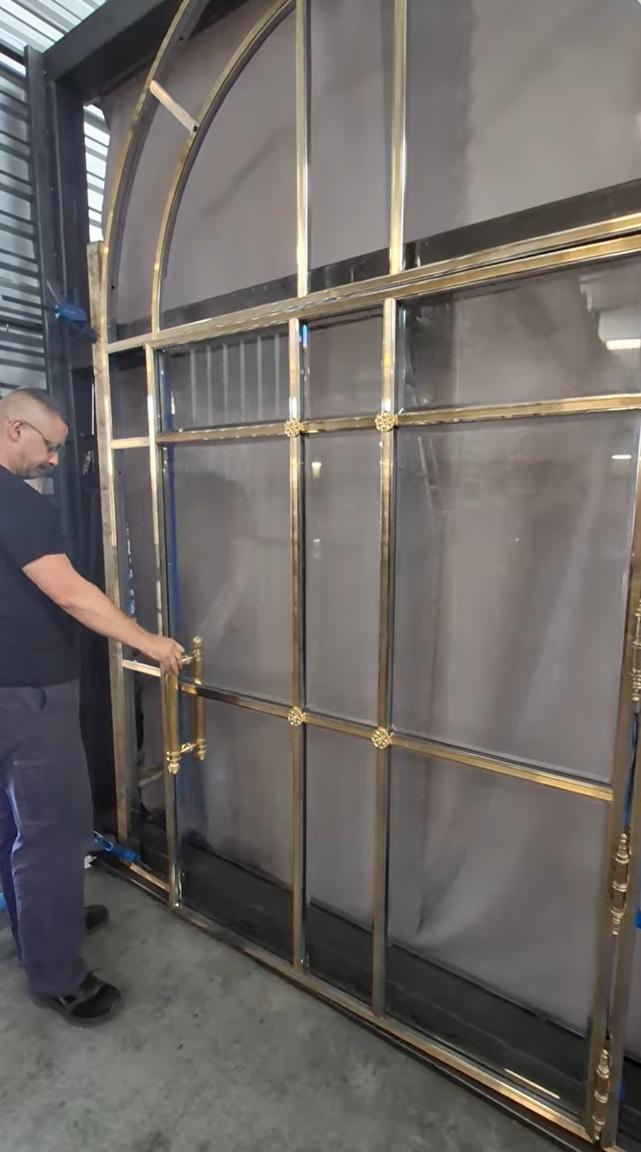
https://www.youtube.com/shorts/lOFAf6Qmegs
Mirror-Polished Stainless Steel Doors: A Bold Statement in Modern Architecture
High-impact interiors often come down to a single, unforgettable surface. Mirror-polished stainless steel delivers exactly that: crisp reflections, a sense of depth, and a sculptural quality that changes with the light throughout the day. When used in doors, partitions, and feature screens, a polished stainless finish becomes more than a material choice—it becomes a defining architectural move.
For projects seeking a refined industrial edge, stainless steel doors with a mirror look can elevate both contemporary and heritage spaces, from minimalist penthouses to hospitality interiors and retail flagships. As a Polish manufacturer based in Gdańsk, Portamet produces bespoke steel doors and windows with slim sightlines and precision craftsmanship, supplying clients across Europe, the UK, and the USA where high-performance design and visual impact are expected to go hand in hand.
What Makes Mirror-Polished Stainless Steel So Striking?
Mirror-polished stainless steel is a finish created through progressive polishing stages until the surface reaches a highly reflective, near-mirror level of gloss. Unlike painted metal or coated surfaces, the “shine” comes from the metal itself—clean, crisp, and visually deep. In architectural applications, the effect can be dramatic: reflections expand tight spaces, amplify daylight, and create a sense of movement as people pass by.
Stainless steel is also associated with durability and cleanliness. That combination—luxury-level reflection plus long-term robustness—makes polished stainless steel doors particularly compelling in high-traffic projects where visual quality needs to remain consistent over time.
Key Visual Advantages
- Light amplification: reflective surfaces bounce natural and artificial light, brightening interiors.
- Spatial depth: reflections create the illusion of a larger space, especially valuable in corridors and compact rooms.
- Modern glamour with industrial roots: polished stainless feels premium, yet still anchored in architectural honesty.
- Design flexibility: works with minimalist, contemporary, Art Deco, and modern-industrial palettes.
Stainless Steel Doors vs. Standard Steel Doors: What’s the Difference?
In everyday conversations, “steel doors” can mean several different constructions and finishes. Standard steel-framed doors are typically made from carbon steel profiles, then protected with primer and powder coating in a chosen RAL colour. They are popular for Crittall-style interiors, slim-frame glazing, and architectural partitions because they offer strength and slender proportions.
Stainless steel doors, by contrast, use stainless alloy profiles or cladding elements designed to resist corrosion and maintain a specific aesthetic. When finished to a mirror polish, stainless becomes a premium design feature rather than simply a structural frame.
Quick Comparison
- Aesthetic: stainless can achieve a true mirror look; powder-coated steel offers colour and texture options.
- Maintenance expectations: mirror finishes demand careful cleaning to reduce fingerprints and micro-scratches.
- Environment suitability: stainless can be advantageous in humid or coastal settings when specified correctly.
- Design intent: choose mirror-polished stainless when the door is meant to be a centrepiece, not just a boundary.
Many design teams combine both approaches within a project: powder-coated slim steel frames for most partitions and doors, with selected polished stainless elements used as highlights in key zones such as entrances, bar areas, feature vestibules, or principal suites.
Where Mirror-Polished Stainless Steel Doors Work Best
The most successful mirror-polished stainless installations are those where the finish is intentional and supported by the surrounding design. Because the surface is highly reflective, it will “collect” the room: materials, lighting, and movement all become part of the composition.
1) Residential Entrances and Internal Statement Doors
In residential architecture, a polished stainless steel door can serve as a striking threshold—either as a main entrance within a sheltered facade, or as an internal statement between a living zone and a private suite. The mirror finish pairs beautifully with natural stone, timber, microcement, and textured plaster walls, creating contrast between matte and gloss.
For contemporary homes using slim-frame glazing and steel windows, a polished stainless door can be a deliberate focal point while still echoing the crisp geometry of steel-framed systems.
2) Hospitality: Boutique Hotels, Bars, and Restaurants
Hospitality design thrives on memorable surfaces. Mirror-polished stainless can frame a bar entry, elevate private dining rooms, or create a dramatic pivot door into a lounge. Under warm lighting, polished stainless produces rich highlights and reflections that feel theatrical without being excessive—especially when balanced with softer materials like velvet upholstery, timber panelling, or aged brass accents.
In high-traffic venues, the key is designing the door hardware, swing, and cleaning strategy together, ensuring the finish stays crisp and the experience feels effortless.
3) Retail Flagships and Showrooms
Retail interiors often rely on clean lines, strong brand cues, and controlled lighting. Mirror-polished stainless steel doors and partitions can help express a premium identity, particularly in fashion, jewellery, automotive, and high-end lifestyle brands. Slim-frame glazing can be integrated to maintain transparency while creating a strong architectural outline.
Because reflections intensify visual noise, the best retail applications are those with disciplined merchandising and considered lighting layouts.
4) Corporate Interiors and Executive Spaces
In corporate environments, polished stainless can read as forward-thinking and high-precision—ideal for executive meeting rooms, reception thresholds, or boardroom entries. When combined with acoustic considerations and discreet seals, it becomes a practical solution rather than purely decorative.
For projects that already use Crittall-style partitions or slim steel frames, a mirror-finish stainless element can differentiate “front-of-house” zones from back-office areas without changing the overall architectural language.
Design Considerations: Getting the Mirror Look Right
Mirror-polished stainless steel is unforgiving in the best possible way—it rewards good detailing. Profiles, joints, welds, and alignment all become more visible because the surface reflects light and the surrounding environment. A successful result depends on precise fabrication and careful decisions early in the design phase.
Choose the Right Polish Level
Not every “polished” stainless surface is a true mirror. Architectural specifications often range from satin/brushed finishes (more forgiving) to highly reflective mirror finishes. The more reflective the surface, the more it will show fingerprints, micro-scratches, and slight distortions. For many interiors, a high polish that reads as mirror in most lighting can be a practical balance.
Consider Fingerprints and Touchpoints
Doors are touched constantly, so handle selection and placement matter. Pull handles, push plates, and edge pulls can help concentrate contact in specific zones. In some projects, designers choose contrasting hardware (for example, a darker handle on a mirror surface) to create both a visual anchor and a practical touchpoint.
High-use doors may benefit from a slightly less reflective finish on the handle area, or from hardware that minimises direct skin contact with the main panel.
Plan Lighting With Reflections in Mind
Mirror finishes amplify lighting—both good and bad. Glare, harsh downlights, and overly bright points can look chaotic when duplicated across reflective surfaces. Diffused lighting, wall washers, and carefully aimed spots tend to create the most elegant results.
In corridors, the mirror look can be used strategically to brighten darker zones, but it should be paired with warm, balanced light to avoid a clinical feel.
Detail the Edges, Corners, and Joints
Edge quality is crucial. Polished stainless highlights inconsistencies at corners and transitions. Clean mitres, consistent reveals, and thoughtful junctions with adjacent materials—stone, timber, plaster—make the difference between a “product” and a truly architectural element.
In slim-frame glazing, sightlines should be consistent from door to fixed panels. This is one of the reasons steel-framed systems remain a favourite among architects: slender profiles deliver visual discipline.
Pairing Mirror-Polished Stainless With Glass: Slim-Frame Glazing Done Differently
Combining polished stainless steel doors with glass creates a layered effect: transparency and reflection working at the same time. Glass brings softness and light; stainless brings sharpness and presence. In partitions, this pairing can define space without blocking daylight—especially effective in open-plan homes, loft conversions, and modern offices.
For Crittall-style layouts, slim-frame glazing remains a leading trend because it offers a timeless grid structure and strong visual rhythm. Introducing mirror-polished stainless as a feature within an otherwise steel-framed scheme can add a “gallery-grade” twist while keeping the architectural language consistent.
Best Glass Options to Consider
- Clear glass: maximises light and keeps the focus on reflections and surrounding materials.
- Low-iron glass: reduces green tint for a cleaner, more premium appearance.
- Fluted or reeded glass: balances privacy with light while softening reflections.
- Smoked or bronze-tinted glass: adds depth and warmth, particularly effective with ambient lighting.
- Laminated acoustic glass: improves comfort in offices and residential zoning projects.
Performance Matters: Beyond the Surface
Mirror-polished stainless steel is visually powerful, but doors and windows must still perform. Architects and homeowners increasingly expect steel-framed systems to deliver more than a slim silhouette: thermal efficiency, sealing, acoustic comfort, and durability are part of the specification, especially for exterior applications.
While mirror-polished stainless is often used internally, projects can also require robust performance in demanding environments. Material selection, glazing type, thermal break strategies, and sealing details should align with local climate conditions and building standards.
Thermal and Comfort Considerations
For external steel doors and steel windows, thermal performance is essential. Slim-frame glazing systems can be engineered to support insulated glass units and weather-resistant seals while preserving the refined look associated with steel-framed architecture. Thoughtful profiling helps reduce heat loss and improve everyday comfort, especially in colder climates.
When a project spans multiple regions—such as developments with stakeholders in Europe, the UK, and the USA—specification clarity becomes even more important. Hardware expectations, threshold details, and glass requirements can vary, so coordination early in the process protects both aesthetics and performance.
Maintenance and Longevity: Keeping the Mirror Finish Beautiful
A mirror-polished stainless steel door is an investment in appearance, so a realistic maintenance plan should be part of the design brief. The good news: stainless steel is inherently durable, and a consistent care routine helps maintain its clarity for years.
Practical Care Guidelines
- Use soft microfibre cloths: avoid abrasive pads that can introduce visible scratches.
- Clean with suitable stainless cleaners: choose non-abrasive products designed for polished metal.
- Wipe with the grain if present: some polished finishes still have directional characteristics.
- Address smudges quickly in high-touch zones: entry doors and pull areas benefit from more frequent light cleaning.
- Protect during construction: ensure surfaces are covered and handled carefully until handover.
For commercial projects, it is worth specifying a maintenance schedule as part of the operational plan—particularly in hospitality or retail, where a flawless finish is part of the brand experience.
Mirror-Polished Stainless Steel in Context: Materials That Pair Exceptionally Well
Because polished stainless reflects everything around it, the surrounding palette should be deliberate. The most effective interiors often use a mix of matte, textured, and natural finishes to create balance.
Strong Pairings
- Natural stone: marble, travertine, and granite elevate the “jewellery” aspect of the mirror finish.
- Timber: oak, walnut, and smoked wood bring warmth and reduce the risk of an overly cold aesthetic.
- Microcement and plaster: matte mineral surfaces create a contemporary contrast and emphasise reflections.
- Blackened steel accents: introduces depth and frames the reflective surface with graphic clarity.
- Textiles: wool, velvet, and heavy drapery soften the overall look and improve acoustics.
In modern-industrial interiors, polished stainless can be used sparingly as a highlight—allowing standard steel doors and steel windows in slim-frame glazing to remain the project’s backbone, while the mirror element becomes the signature moment.
Is Mirror-Polished Stainless Right for Every Project?
Not always—and that is part of what makes it special. Mirror finishes demand intentionality. Projects that benefit most are those with controlled visual composition, strong detailing, and a clear design narrative. In busy family homes with constant contact, or in spaces where surface marks would cause frustration, a satin stainless or powder-coated steel option may be the more comfortable long-term choice.
However, for clients looking for an “incredible” statement—something that feels architectural, luxurious, and unapologetically modern—mirror-polished stainless steel doors can be extraordinary. The finish delivers a level of visual drama that few materials can match without relying on ornament.
Bespoke Fabrication: Why Craftsmanship Is Essential
Polished stainless steel showcases workmanship. Slim sightlines, clean welds, accurate geometry, and consistent reveals all become more visible when the surface reflects light sharply. That is why bespoke manufacturing is often the best route: dimensions can be tailored to the opening, pivot placements can be engineered for weight and balance, and glazing bars can align perfectly with surrounding panels and architectural grids.
Portamet manufactures high-quality bespoke steel doors and windows in Gdańsk, Poland, creating made-to-order solutions for architects, designers, developers, and homeowners. With international delivery across Europe, the UK, and the USA, bespoke steel-framed systems can be specified for projects that demand slim steel profiles, refined detailing, and reliable performance—whether the goal is a Crittall-style partition, a minimalist glazed wall, or a standout stainless statement door.
Specification Tips for Architects and Designers
To achieve a smooth process from concept to installation, a few specification decisions should be made early—especially when mirror finishes are involved.
What to Define in the Brief
- Door type: hinged, pivot, sliding, or double-leaf configuration.
- Glazing intent: clear, reeded, tinted, acoustic laminated, or privacy-focused options.
- Performance requirements: thermal efficiency, seals, acoustic comfort, and thresholds where applicable.
- Hardware: handles, locks, closers, pivots, and access control needs.
- Finish expectations: mirror level, tolerance for visible marks, and cleaning approach.
- Alignment: sightlines matching adjacent steel windows, partitions, and wall details.
Coordinating these points helps the finished door feel integrated rather than added. In projects combining slim-frame glazing with statement metalwork, alignment and proportion are often the details that elevate the entire interior.
Closing Thought: A Door That Becomes Part of the Architecture
Mirror-polished stainless steel doors are not subtle—and that is precisely their appeal. They reflect light, emphasise geometry, and turn a functional element into an architectural feature. When balanced with thoughtful lighting and tactile surrounding materials, the result can feel both modern and timeless.
For projects exploring slim-frame glazing, Crittall-style compositions, or bespoke steel frames with a more daring finish direction, Portamet’s experience in manufacturing steel doors and steel windows for clients across Europe, the UK, and the USA offers a strong foundation for turning ambitious design intent into a refined, buildable solution.
Enquiries for bespoke steel-framed doors, windows, and partitions can be directed to Portamet to discuss finish options, glazing choices, and project requirements, and to request a tailored quotation.