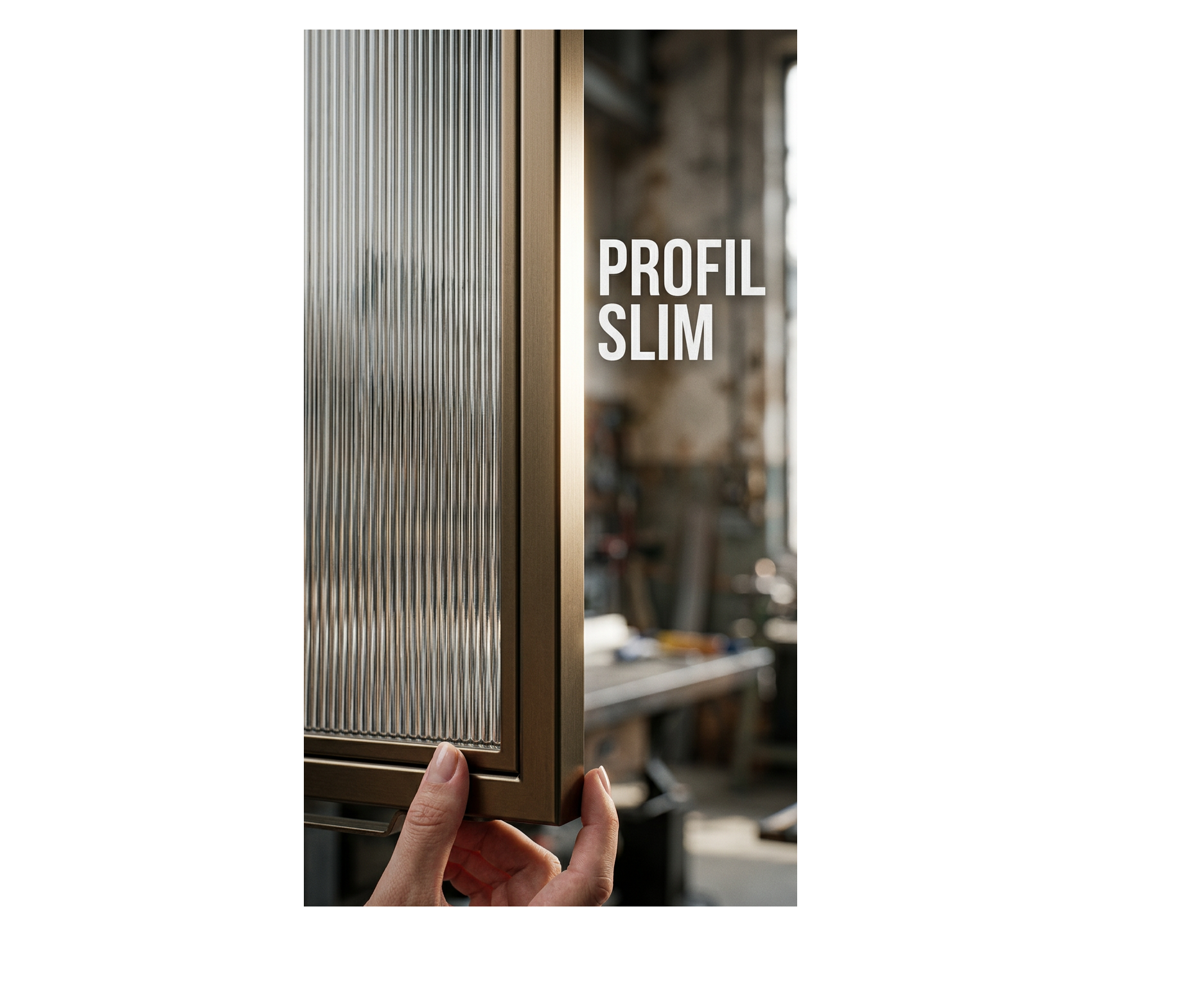
Vintage Bronze Steel Doors with Reeded Glass: A Timeless Combination for Modern Interiors
Some design pairings feel instantly “right” the moment they appear in a space. Vintage bronze steel doors with reeded glass belong in that category—warm, architectural, and quietly dramatic without overwhelming the room. The finish adds depth and patina-like character, while the glass filters light in a way that feels both nostalgic and fresh.
This combination has become a favourite among architects, interior designers, and homeowners looking for Crittall-style influence with a softer, more refined edge. It works in new builds, restorations, and adaptive reuse projects—especially where light, zoning, and atmosphere matter as much as the floor plan.
Why Vintage Bronze and Reeded Glass Work So Well Together
Steel-framed glazing is often associated with black powder-coated frames and crisp, high-contrast lines. Vintage bronze changes the mood entirely. It introduces warmth and a more tactile, crafted feel—particularly when paired with textured glass that breaks up reflections and adds visual softness.
Reeded glass (also called fluted glass) brings privacy without blocking daylight. Combined with slim steel profiles, it creates a layered look: sharp structure from the frame, gentle diffusion from the glazing. The result suits minimalist interiors, heritage renovations, and modern classic schemes alike.
Warmth Without Losing the Industrial Edge
Bronze tones keep the architectural clarity of steel doors and steel windows but reduce the starkness that sometimes comes with matte black frames. The finish complements timber, natural stone, limewash walls, brass hardware, and warm neutrals—materials frequently used in contemporary European interiors.
In commercial settings, bronze steel partitions with reeded glass can soften open-plan offices, studios, and hospitality spaces while maintaining the clean lines that designers want from slim-frame glazing.
Privacy, Light, and Texture in One Material Choice
Reeded glass is especially useful where a room needs daylight but not full visibility. It is commonly specified for corridors, bathrooms, dressing rooms, home offices, pantries, and internal partitions—anywhere a sense of separation helps, but darkness does not.
Unlike frosted glass, which can feel flat, reeded glass adds vertical rhythm and depth. Light passing through creates subtle shadows and highlights that change throughout the day, giving interiors a more dynamic feel.
What Exactly Is Reeded Glass?
Reeded glass is a patterned glass with linear ridges formed during manufacturing. The “reeds” can be fine and delicate or deeper and more pronounced, depending on the chosen profile. When installed, the pattern can run vertically (most common) or horizontally for a more distinctive, design-led statement.
In steel-framed doors, the linear texture often echoes the frame’s vertical mullions, creating a cohesive look. In larger steel partitions, reeded glass can add just enough visual interest to prevent big glazed surfaces from feeling too plain.
Reeded vs Fluted vs Ribbed: Are They the Same?
These terms are often used interchangeably. In many markets, “reeded” and “fluted” refer to the same style: glass with repeated linear channels. “Ribbed” may describe a similar effect, sometimes with a slightly different profile shape or depth. The practical outcome is similar—diffused visibility, softened light, and added texture.
How Much Privacy Does Reeded Glass Provide?
Privacy depends on reed depth, lighting conditions, and distance from the glass. Up close, silhouettes and movement may be visible. From a distance, the pattern typically obscures detail, especially when the space behind the glass is evenly lit.
For higher-privacy zones, options include deeper reeding, combining reeded glass with curtains/blinds, or using a more obscure patterned glass in selected panels while keeping reeded glass elsewhere for consistency.
Where Vintage Bronze Steel Doors with Reeded Glass Look Best
This combination is versatile, but it truly shines in spaces that benefit from zoning and atmosphere. It brings structure to open plans, enhances transitions between rooms, and elevates everyday thresholds into architectural moments.
1) Internal Doors Between Kitchen and Living Areas
Open-plan living can be bright and sociable, but it can also amplify noise and spread cooking odours. Steel doors with reeded glass provide separation without shutting down the sense of connection. Vintage bronze frames add warmth—especially effective with timber cabinetry, stone countertops, or microcement finishes.
For family homes, double doors or a wider opening with side panels can maintain flow while offering the option to close off the kitchen when needed.
2) Home Office Partitions That Still Feel Residential
As working from home continues, the demand for slim-frame glazing partitions has grown. Reeded glass helps reduce visual distraction while still sharing daylight. Bronze steel frames keep the office zone feeling integrated with the rest of the interior, rather than appearing overly corporate.
This is particularly effective when paired with acoustic upgrades, such as appropriate seals and careful specification of glazing thickness.
3) Bathrooms, Ensuites, and Dressing Rooms
Reeded glass is a natural fit for private spaces. It allows light to reach internal bathrooms or ensuites that might otherwise rely heavily on artificial lighting. Bronze-framed steel screens can add boutique-hotel character, especially alongside stone tiles, warm metals, and softly lit mirrors.
Where moisture is a concern, proper coating systems and hardware selection are essential for durability and long-term performance.
4) Hallways and Stair Landings That Need Daylight
Many homes have darker circulation areas—hallways, stair landings, or internal corridors. Installing steel-framed internal windows or glazed screens with reeded glass can brighten these zones without making them feel exposed.
The vintage bronze tone can also complement period properties, acting as a bridge between old and new during renovations.
5) Hospitality and Retail Interiors
In restaurants, cafés, and boutiques, ambience matters. Reeded glass creates a sense of intimacy while still making spaces feel open and layered. Bronze steel partitions can frame a private dining area, define a bar zone, or create an elegant entrance sequence.
Because steel allows slim sightlines, even smaller venues can benefit without feeling visually cramped.
Design Details That Make the Combination Feel Intentional
The success of vintage bronze steel doors with reeded glass often comes down to proportion, layout, and small specification choices. Getting these details right ensures the result looks tailored rather than trend-driven.
Choose Sightlines and Bar Layout Carefully
“Slim-frame glazing” is about visual lightness. Too many bars can make doors look busy; too few can make them feel under-detailed, especially in large openings. A balanced grid, aligned with architectural elements (like cabinetry lines or wall panelling), tends to look the most resolved.
Reeded glass already introduces texture, so some projects benefit from simpler bar layouts that let the glass do more of the visual work.
Match the Bronze Tone to the Wider Palette
“Vintage bronze” can range from warm brown-bronze to deeper, almost smoked tones. The chosen finish should relate to nearby metals and materials: taps, door hardware, lighting, and even grout tones.
In many interiors, the most cohesive look comes from treating bronze as a warm neutral—coordinated, but not necessarily identical to every other metal in the room.
Consider Handle and Hardware Style
Hardware can either reinforce the vintage character or steer it toward a more contemporary feel. Minimal pull handles keep things modern. More traditional lever shapes can suit heritage contexts. The key is consistency across the project, particularly where multiple steel doors and steel windows appear.
For high-traffic openings, durability and feel matter as much as aesthetics; well-selected hardware is a daily-touch detail that shapes the user experience.
Performance Considerations: Not Just a Pretty Door
Steel-framed systems are often chosen for aesthetics, but performance must support the design—especially when specifying external steel doors or steel windows. Thermal efficiency, weather resistance, and long-term durability depend on the engineering behind the frame and the build quality of the manufacturing process.
For internal doors and partitions, considerations shift toward acoustics, privacy, and ease of use. Reeded glass can support privacy goals, while correct seals and glazing choices can improve sound control.
Thermal Efficiency for External Applications
When vintage bronze steel frames are used externally, thermal performance becomes critical. Thermally broken profiles and suitable insulated glazing units help steel windows and doors meet modern expectations for comfort and energy efficiency.
Even in mild climates, well-performing glazing reduces drafts and cold spots, supporting a more comfortable interior throughout the year.
Safety and Glazing Specification
Depending on location and regulations, toughened or laminated safety glass may be required. Reeded glass can be supplied in safety formats, but the specification must be aligned with the door type, panel size, and intended use.
In family homes and commercial environments, choosing the correct safety glass is a practical requirement as well as a responsible design decision.
Maintenance and Longevity
Reeded glass tends to disguise fingerprints and smudges better than perfectly clear glazing, though the grooves may require a little more attention during cleaning. A soft brush and appropriate glass cleaner typically help reach the recessed lines.
For bronze finishes, high-quality coating systems and careful fabrication reduce the risk of uneven appearance over time. A well-made steel frame should look sharp for years, with minimal maintenance beyond standard cleaning.
Vintage Bronze vs Black Steel Frames: How to Choose
Black steel doors are a modern classic, especially in Crittall-style interiors. Vintage bronze is a more nuanced option—ideal for projects aiming for warmth, softness, and a slightly more bespoke feel.
- Choose black for crisp contrast, monochrome schemes, and sharper industrial styling.
- Choose vintage bronze for warmer palettes, natural materials, and a more layered, design-led look.
- Choose reeded glass when privacy and texture matter, regardless of frame colour.
In many interiors, vintage bronze becomes the element that makes steel-framed glazing feel more “home-like” while still delivering the architectural structure steel is known for.
How This Trend Fits with Crittall-Style and Slim-Frame Glazing
Many clients begin with the idea of “Crittall-style” steel doors—slim frames, strong geometry, and lots of glass. Vintage bronze and reeded glass offer a way to evolve that look without abandoning what makes it appealing.
The slim sightlines remain, keeping the design light and contemporary. The bronze finish adds warmth and individuality. The reeded glass introduces depth and a softer boundary between spaces.
This is particularly attractive in high-end residential projects where steel-framed glazing is used throughout the home and the goal is cohesion rather than a single statement feature.
Specification Tips for Architects and Designers
To achieve a refined result, it helps to plan early—especially when steel doors and steel windows form part of a coordinated interior and exterior package. Alignment, tolerances, and build-up details can influence sightlines and overall finish quality.
Plan the Grid and Align with Architectural Lines
Where possible, align transoms and vertical bars with nearby elements such as cabinetry divisions, tile grout lines, or wall panelling. This creates calm, intentional geometry and elevates the whole scheme.
Think Through Swing Direction and Everyday Use
Internal glazed doors are often specified for visual impact, but daily usability matters. Consider clear opening width, handle placement, and furniture layout. For busy thresholds, double doors or a wider single leaf may feel more generous.
Combine with Side Panels or Overlights Where Appropriate
Reeded glass works beautifully in fixed panels as well as doors. Adding side lights or an overlight can bring borrowed light deeper into a plan and make openings feel taller and more architectural.
This approach is especially effective in renovated properties where ceiling heights vary and circulation spaces need brightening.
European Craftsmanship and Bespoke Manufacturing: Why It Matters
Steel-framed glazing is only as good as its fabrication. Tight tolerances, crisp welds, well-finished corners, and consistent coating quality are what differentiate premium work from mass-produced alternatives. When vintage bronze finishes and textured glass are involved, precision matters even more, because light and reflections highlight every detail.
Portamet is a premium Polish manufacturer based in Gdańsk, specialising in bespoke steel doors, steel windows, partitions, and screens. Each piece is custom-made to order, enabling slim steel profiles, carefully considered bar layouts, and tailored solutions for both residential and commercial projects.
Portamet produces steel doors and windows for clients across Europe and regularly supplies projects in the UK and the USA, supporting international design teams with European craftsmanship and coordinated delivery.
Bringing the Look Together: Materials That Pair Beautifully with Bronze and Reeded Glass
Vintage bronze is at its best when it complements other materials rather than competing with them. Reeded glass adds texture, so surrounding finishes can be calmer and more tactile.
- Timber floors and joinery: especially oak, walnut, or stained ash for warm harmony.
- Natural stone: travertine, limestone, marble with warm veining, or honed finishes.
- Plaster and limewash: matte, soft surfaces that highlight the frame’s crisp lines.
- Brass or aged metal accents: for cohesive warmth, used selectively in lighting or hardware.
- Textiles: linen, wool, and boucle add softness against the steel’s precision.
This palette supports a timeless interior—one that still feels contemporary, but won’t look dated when trends shift.
Common Questions About Bronze Steel Doors with Reeded Glass
Does reeded glass reduce the amount of light?
Reeded glass diffuses light rather than blocking it. Rooms typically remain bright, but the light becomes softer and less direct. In many interiors, that diffusion is a benefit, reducing glare and creating a more comfortable ambience.
Is vintage bronze too bold for small spaces?
In smaller spaces, bronze can actually feel more forgiving than black because it adds warmth. Using slim profiles and reeded glass keeps the overall effect light. Pairing with pale walls and warm wood often creates a balanced result.
Will the bronze finish date quickly?
Bronze tones have a long history in architecture and interiors. When chosen as a warm neutral and integrated with the wider palette, the finish tends to age well. The key is avoiding overly orange tones and ensuring the specification aligns with the project’s materials and lighting.
Conclusion: A Combination That Balances Character and Clarity
Vintage bronze steel doors with reeded glass offer a rare mix: strong architectural structure with softness, warmth, and privacy. The look suits everything from contemporary apartments to renovated townhouses, and from boutique hospitality spaces to high-end family homes.
For projects seeking bespoke steel frames with slim sightlines, durable performance, and refined detailing, Portamet’s custom-made steel doors, steel windows, partitions, and screens provide a crafted route to achieving this aesthetic—supported by European manufacturing in Gdańsk and supply to clients across Europe, the UK, and the USA.
Explore Portamet’s steel-framed glazing options or request a tailored quote to develop a vintage bronze and reeded glass specification that fits the architecture, the layout, and the way the space needs to feel.