Steel Doors That Look Like Natural Old Brass: How to Achieve a Timeless Vintage Style
Warm metallic tones, soft patina, and heritage character often define the most memorable interiors. Vintage brass delivers that atmosphere instantly, yet solid brass joinery can be impractical for large-format glazing or daily-use doors. A refined alternative exists: steel doors and steel windows finished to resemble natural old brass, combining period charm with modern performance.
Portamet, a premium Polish manufacturer based in Gdańsk, creates bespoke steel-framed doors, windows, partitions, and screens for projects across Europe, the United Kingdom, the United States, Canada, and the Middle East. Vintage brass-style finishes on slim steel profiles make it possible to capture an aged, collected look without compromising durability or thermal efficiency.
Why “Old Brass” Works So Well in Modern Interiors
Natural old brass sits between gold and brown, reflecting light softly rather than sparkling. That muted glow pairs beautifully with plaster walls, timber floors, stone, and richly coloured paints. In contemporary schemes, it adds warmth and depth to minimalist lines, especially when used on Crittall-style glazing and slim-frame steel doors.
Old brass aesthetics also feel inherently architectural. Frames, mullions, and transoms become part of the interior composition, like outlining a view with a subtle metallic pencil line. The result feels intentional and timeless rather than trend-led.
What “Brass-Look” Steel Finishes Actually Mean
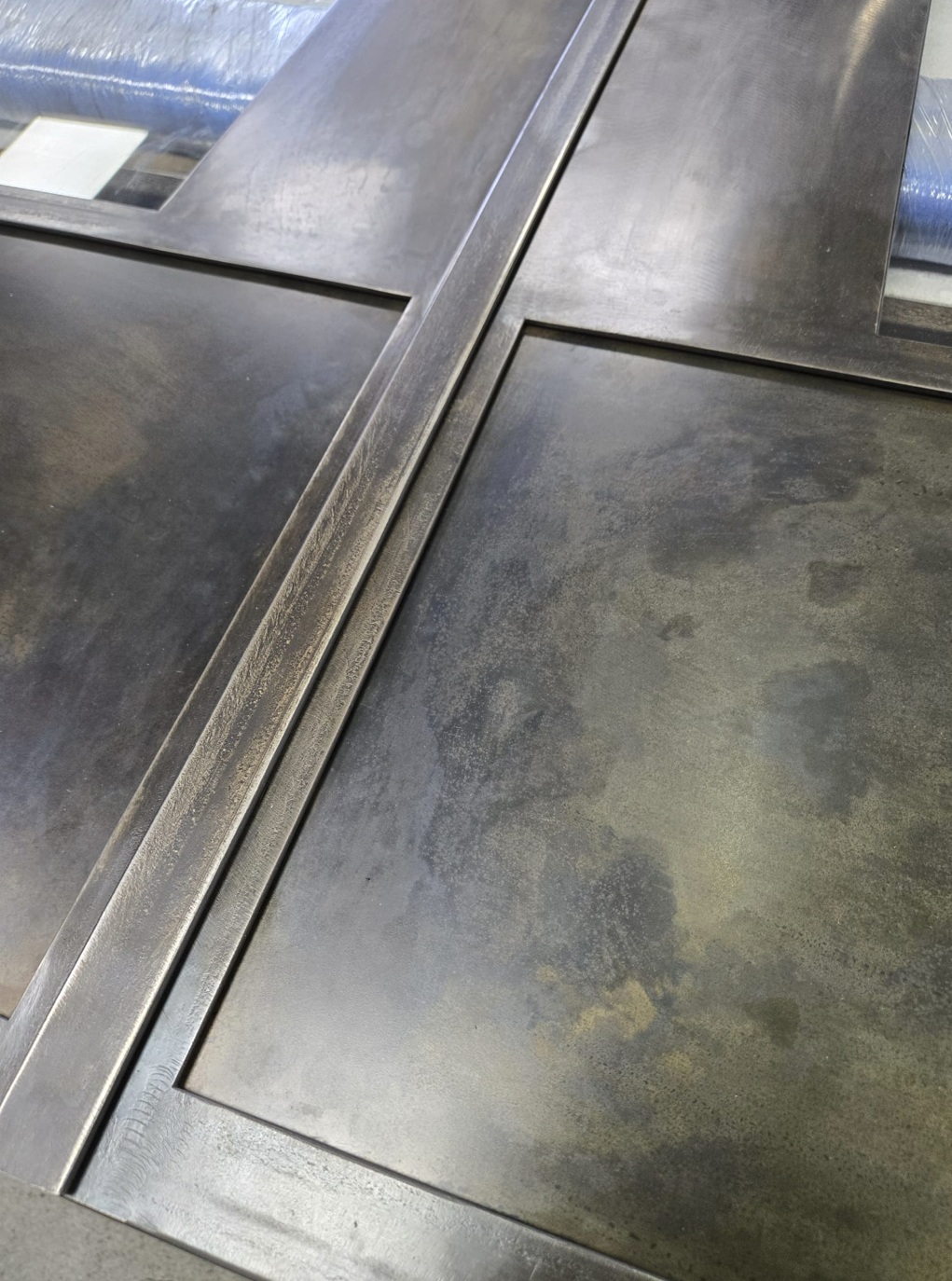
Brass-look steel frames are typically achieved through specialist finishing systems rather than using solid brass. The goal is to emulate the visual complexity of aged metal: gentle tonal variation, darker edges, and a patinated depth that reads as authentic from a normal viewing distance.
Common approaches used to create an aged-brass effect
- Patina-style paint systems designed to mimic oxidation and wear, often layered to create depth.
- Powder coating in brass tones for an even, durable finish, sometimes enhanced with shading techniques.
- Hand-finished effects that introduce subtle inconsistencies, similar to real ageing.
Finish selection depends on the environment, usage, and desired realism. For high-traffic areas, durability and cleanability tend to matter as much as colour accuracy.
Where Vintage Brass-Style Steel Doors Look Best
Old brass-style slim-frame glazing can be a feature in both residential and commercial projects. It tends to work best where lighting can pick up the tone—near windows, along corridors, or around transitional thresholds.
Interior applications
- Steel partitions between kitchen and dining areas, maintaining openness while controlling noise and smells.
- Double steel doors to living rooms, adding a statement threshold with classic proportions.
- Home office screens that feel elegant rather than purely industrial.
- Ensuite or dressing-room doors when paired with reeded or fluted glass for privacy.
Exterior applications
Exterior use requires careful specification. A brass-look finish outside must handle UV exposure, rain, pollution, and temperature changes. A thermally efficient steel system with an exterior-grade coating is essential for longevity and comfort.
Design Tips for an Authentic Aged-Brass Look
Vintage style succeeds through proportion, restraint, and thoughtful pairing with surrounding materials. Brass-look steel frames should look like part of the architecture, not like an accessory added at the end.
1) Keep sightlines slim
Thick frames can feel heavy and less refined. Slim steel profiles create the crisp lines associated with classic Crittall-style glazing, allowing the brass tone to act as a highlight rather than a block of colour. Slim sightlines also maximise daylight, especially important in corridor partitions and internal screens.
2) Choose the right glass for the mood
- Clear glass keeps the look airy and architectural.
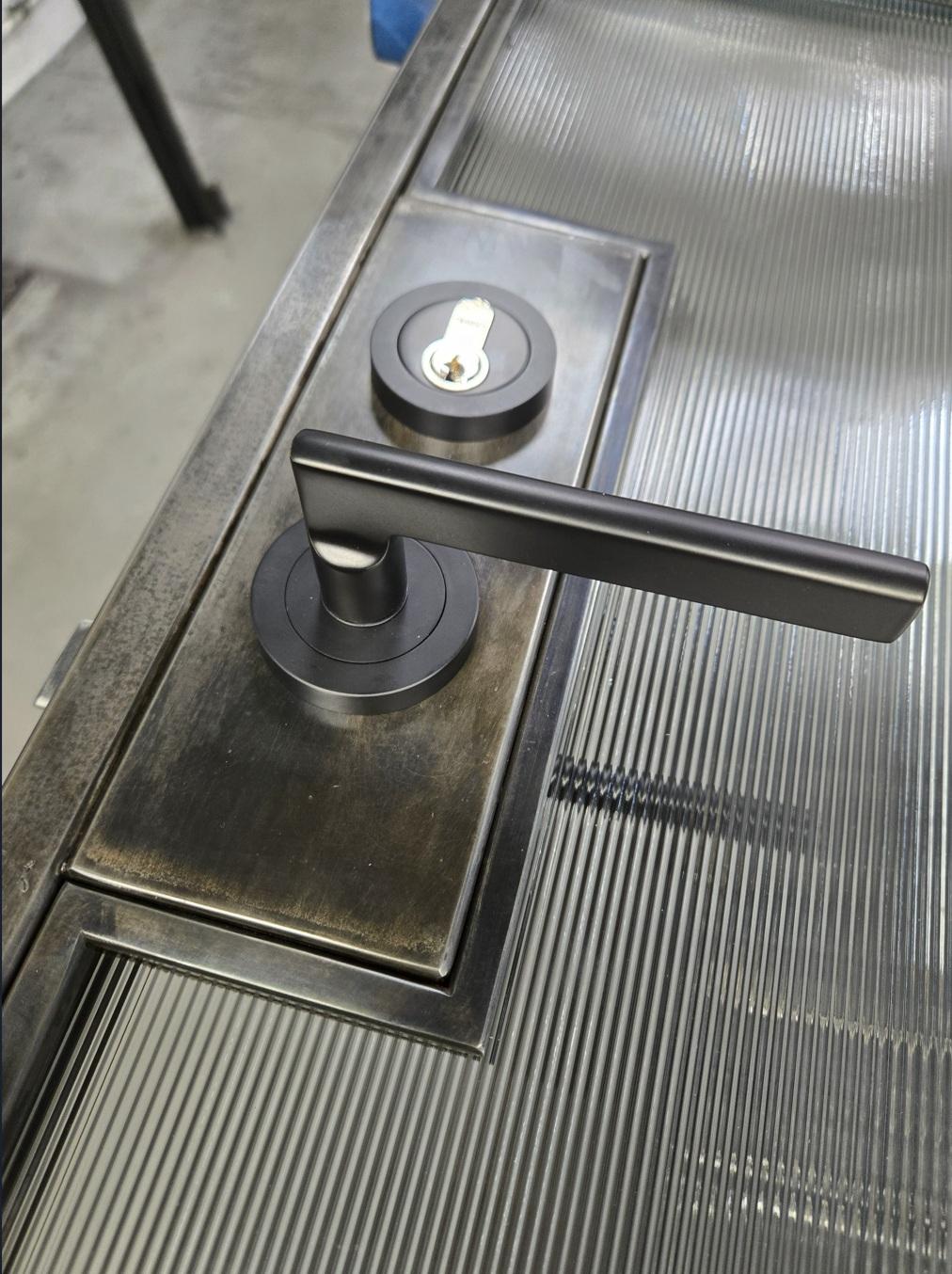
- Reeded or fluted glass delivers privacy with a strong vintage cue.
- Bronze or grey tinted glass deepens the brass tone and creates a more intimate feel.
- Acid-etched glass offers privacy with a softer, contemporary finish.
3) Coordinate hardware carefully
Door handles, hinges, and locks should match the narrative. True brass hardware can work, but mixing finishes can also look intentional when done thoughtfully. For example, aged-brass frames with darker bronze or black hardware can feel understated and tailored.
4) Use patina strategically
Real brass ages unevenly, often darkening near touchpoints. A convincing “old brass” finish usually includes gentle variation, but excessive contrast can look artificial. Subtlety tends to read as premium.
5) Balance with surrounding materials
Old brass pairs well with:
- oiled oak and walnut
- travertine, limestone, and marble with warm veining
- textured plaster and limewash paints
- deep greens, oxblood reds, warm whites, and charcoal accents
Performance Considerations: Not Just About Looks
Steel doors and steel windows should perform as beautifully as they look. Vintage brass styling is often chosen for heritage-inspired spaces, yet comfort expectations remain modern. Thermal efficiency, airtightness, and robust construction make the difference between a showpiece and a long-term solution.
- Thermal performance helps reduce heat loss and condensation risk, particularly on exterior doors and windows.
- Durability ensures frames resist warping, denting, and daily wear better than many alternatives.
- Precision engineering supports smooth operation and consistent reveals across large glazed spans.
Portamet’s bespoke steel frames are custom-made to order, enabling tailored dimensions, glazing choices, and layout details while maintaining slim-frame glazing aesthetics. European craftsmanship and international delivery support projects from private homes to hospitality and commercial interiors.
Steel vs. Solid Brass: A Practical Comparison
Visual impact
Solid brass has undeniable authenticity, but well-specified brass-look finishes on steel can deliver a remarkably similar warmth, especially when the design focuses on proportion and light.
Structure and span
Steel is exceptionally strong, allowing slender sections and stable large-format glazing. This makes steel ideal for expansive partitions and tall doors where clean lines matter.
Maintenance
Natural brass can tarnish and change quickly, which may be desirable or frustrating depending on expectations. Brass-look coatings on steel tend to be more predictable and easier to maintain, particularly in family homes and high-traffic environments.
Specification Checklist for Vintage Brass-Style Steel Doors
- Finish sample approval in the actual project lighting, since brass tones shift between warm and cool.
- Glass selection based on privacy needs, reflection, and the desired vintage character.
- Hardware compatibility to ensure visual cohesion and correct function.
- Interior vs exterior rating for coating durability and weather resistance.
- Thermal requirements for external steel doors and steel windows.
- Precise site measurements to protect slim sightlines and consistent margins.
Closing Thought
Steel doors that look like natural old brass offer a sophisticated way to bring vintage warmth into contemporary architecture. The best results come from combining slim-frame glazing proportions, thoughtful glass choices, and a finish that feels quietly authentic.
Portamet manufactures high-quality bespoke steel doors and windows with slim steel profiles, strong craftsmanship, and options suited to both design-led interiors and performance-focused envelopes. Product exploration or quote requests can help translate a vintage brass concept into a made-to-measure specification for the next project.