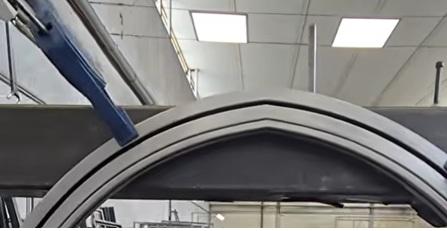
Steel Doors with Gothic Arch: A Modern Take on Timeless Architecture
Steel doors rarely get described as “romantic”—until a Gothic arch enters the picture. That pointed curve instantly changes the mood of a space, bringing height, drama, and a sense of heritage that feels both classic and surprisingly current. In contemporary architecture and interiors, the Gothic arch has re-emerged as a statement detail, often paired with slim steel profiles and expansive glazing to keep the look light and modern.
Steel doors with a Gothic arch work especially well in projects that aim to balance old-world character with clean-lined minimalism. The geometry nods to traditional craftsmanship, while steel delivers precision, strength, and the ability to hold large panes of glass with slender sightlines. For design teams and homeowners looking for something distinctive—but not overly ornate—this combination can be a standout solution.
Why the Gothic Arch Is Trending Again
Architectural trends often cycle, but the return of the arch has been more than a passing moment. Curves have reappeared across interiors—arched niches, rounded corners, and softened transitions—because they counterbalance the sharpness of modern minimalism. The Gothic arch, with its pointed apex, offers a more dramatic version of that curve, creating a strong vertical emphasis and a sculptural silhouette.
Unlike semicircular arches, which can feel Mediterranean or classical, the Gothic arch reads as taller, lighter, and more “architectural.” It naturally draws the eye upward, making ceilings feel higher and spaces feel more monumental. When executed in steel with slim-frame glazing, the look stays elegant rather than heavy.
A brief design note: what defines a Gothic arch?
A Gothic arch is typically a pointed arch formed by two arcs that meet at a peak. That simple geometry brings visual lift and can be adjusted to create different moods:
- Steep, narrow point: more dramatic and cathedral-like.
- Wider, softer point: a calmer, contemporary interpretation.
- Segmented or “tudor” point: a subtle nod to heritage without looking too historic.
In steel doors, the choice of arch proportion often matters as much as colour or glazing pattern. The arch can look sleek and modern with minimal divisions, or more traditional with symmetrical muntins inspired by Crittall-style layouts.
Why Steel Is Ideal for Arched Doors
Arched openings demand precision. The curve must be accurate, the lines must remain clean, and the door must operate smoothly over time. Steel is a natural match for this type of work because it combines structural strength with slim sightlines—especially important when the goal is to maximise glazing and daylight.
Compared with bulkier frame materials, steel can hold the shape of a Gothic arch without requiring oversized profiles. That means the arch becomes a crisp architectural outline rather than a thick, heavy border.
Key advantages of steel for Gothic arch doors
- Slim-frame glazing: fine profiles keep the door elegant and light-filled.
- Strength and stability: supports larger glazed areas and tall proportions.
- Durability: suited to demanding residential and commercial environments.
- Design flexibility: adaptable to different glazing patterns, finishes, and hardware.
For projects that need both aesthetic impact and everyday performance, steel doors can deliver the best of both worlds—especially when the design includes a curve that needs to stay crisp over years of use.
Where Steel Gothic Arch Doors Work Best
A Gothic arch can be used as a focal point or as a repeating motif. The right placement depends on what the space needs: more light, a stronger sense of arrival, or a softer transition between zones. In many projects, a single arched steel door becomes a defining feature that ties the whole concept together.
1) Entrance doors and statement thresholds
A Gothic arch at the front of a home or boutique hospitality space creates instant identity. It feels intentional and curated—especially when paired with clear glazing, subtle glazing bars, or textured glass for privacy. In exterior applications, thermal performance and weather sealing become essential, making it important to choose a system engineered for insulation rather than treating steel purely as a decorative element.
2) Internal partitions that keep light moving
One of the most effective uses of steel-framed glazing is the internal partition: separating spaces without sacrificing daylight. A Gothic arch door between a hallway and living area, or between a kitchen and dining room, can add character while keeping the plan open and bright. This is particularly useful in renovations where natural light is limited.
3) Home offices and studio spaces
Steel doors are often used to define a workspace while maintaining a visual connection to the rest of the home. A Gothic arch version adds warmth and personality, turning a functional element into a design moment. For video calls and focused work, reeded or frosted glazing can provide privacy without fully blocking light.
4) Hospitality and retail interiors
Restaurants, concept stores, and boutique hotels frequently use arches to create rhythm and a sense of narrative. A pointed arch in steel can frame a wine room, private dining space, or product display area while still feeling refined. Black, graphite, or deep bronze finishes typically work well, though lighter colours can deliver a softer, more contemporary look.
Design Options: Making the Gothic Arch Feel Modern
The Gothic arch has strong historical associations, but the way it is detailed determines whether it feels traditional or current. Modern interpretations typically simplify the surrounding elements: fewer mouldings, cleaner wall finishes, and minimal hardware. Steel helps this approach by keeping lines crisp.
Glazing patterns: minimal or Crittall-style?
Glazing layout has a major impact on the final look. Two common approaches work particularly well with Gothic arches:
- Minimal divisions: large glass panes with the arch as the main feature. Ideal for contemporary projects and for maximising natural light.
- Crittall-style grids: symmetrical glazing bars that add rhythm and a heritage feel. Effective in renovations of period properties or where a more classic interior language is desired.
A balanced option is to keep the lower section divided and the arched head mostly clear, allowing the curve to read strongly without too much visual noise.
Single door, double doors, or fixed arch with a rectangular leaf?
Not every arched opening requires an arched door leaf. Several configurations can achieve the Gothic effect:
- True arched door leaf: the door itself follows the arch. Highly sculptural, ideal for statement entrances and internal focal points.
- Rectangular door with arched transom: a rectangular operating door below, with a fixed arched glazed panel above. Often practical where clearances, hardware, or sealing requirements are easier to manage with a rectangular leaf.
- Double doors with arched head: symmetrical and grand, suited to wider openings.
In many architectural schemes, an arched transom can be the most versatile choice, delivering the Gothic silhouette while keeping the operation familiar and reliable.
Colour and finish choices
Black remains a popular finish for steel doors because it frames views and reads as crisp and architectural. However, Gothic arch doors can also look exceptional in:
- Deep bronze or warm metallics: softens the industrial edge and complements natural materials.
- Off-black and graphite: slightly gentler than pure black, often better in bright, minimal interiors.
- Light neutrals: creates a more airy, Scandinavian-inspired feel while keeping the slim-frame glazing look.
Finish selection should respond to flooring, wall tone, and nearby metals (handles, taps, lighting). Steel is visually dominant, so cohesion matters.
Performance Considerations: Beauty Needs Engineering
A Gothic arch steel door should not only look right—it should also function smoothly and meet the performance needs of the project. This is where specification choices become crucial, particularly for exterior doors and high-traffic environments.
Thermal performance and comfort
For external steel doors and steel windows, thermal efficiency is a major factor. Slim-frame glazing can be compatible with strong thermal performance when the system is designed with appropriate insulation and glazing options. In colder climates—or in projects where energy efficiency standards are strict—thermal considerations should be part of the early design discussion, not an afterthought.
Double or triple glazing, warm-edge spacers, and correctly engineered frames all contribute to comfortable interiors without condensation issues. The Gothic arch shape does not prevent high performance, but it does require careful manufacturing and accurate detailing.
Acoustic control
Steel-framed partitions are often used to separate noisy and quiet areas—kitchens from living rooms, offices from halls, meeting rooms from public spaces. Acoustic performance depends on glazing specification, seals, and installation quality. Where privacy matters, laminated acoustic glass and proper perimeter sealing can make a noticeable difference.
Safety glazing and compliance
Large panes, doors in circulation routes, and low-level glass typically require safety glazing. Depending on jurisdiction and project type, additional requirements may apply. Early coordination with the design team ensures the door delivers the desired look while meeting relevant standards.
Hardware and daily usability
Arched doors can be engineered for everyday ease, but hardware selection must suit the door’s size and weight. Handle style also contributes to the aesthetic: minimal levers for modern schemes, or more tactile, heritage-inspired pulls for a softer look. The goal is a door that feels solid and smooth—not just visually impressive.
Common Specification Mistakes (and How to Avoid Them)
Steel doors with a Gothic arch are distinctive, which can tempt projects into prioritising appearance over practical planning. A few early checks can prevent costly redesigns later.
1) Arch proportions that fight the room
If the arch is too steep for the opening, it can look pinched; too shallow, and it can lose the Gothic character. Aligning the peak with nearby architectural lines—like ceiling beams, lighting centres, or window heads—often helps the door feel integrated rather than added on.
2) Over-complicated glazing bars
Gothic shapes already carry visual interest. Too many divisions can make the door feel busy. A simplified Crittall-style pattern often reads more premium than a complex grid.
3) Not coordinating with builders early enough
Arched openings must be accurately formed and finished. Tolerances, support structure, and plasterwork detailing all matter. Coordinating the door manufacturer with the contractor early reduces the risk of uneven reveals or misaligned curves.
4) Treating exterior steel doors like interior screens
Exterior doors require weather performance, insulation, and robust thresholds. A steel Gothic arch entrance can be a showpiece, but only when the system is designed for external conditions and properly installed.
Gothic Arch Steel Doors in Renovations vs New Builds
Both renovation and new-build projects can benefit from Gothic arch steel doors, but the approach differs.
Renovations and heritage buildings
In period homes, an arched steel door can echo original architectural language while introducing modern clarity. It can also be a practical way to create separation (for warmth, acoustics, or zoning) without losing the home’s sense of flow. In conservation-sensitive contexts, a refined steel profile can sometimes feel more appropriate than thicker modern systems because it keeps the glazing visually light.
New builds and contemporary architecture
In modern homes, a Gothic arch can serve as a single “softening” move against crisp geometry. The contrast can be striking: minimalist walls, flush details, and then a pointed arch that creates a memorable moment. When paired with slim-frame glazing, the result can feel architectural and intentional rather than decorative.
Pairing Materials: What Complements Steel and a Gothic Arch?
The success of an arched steel door often depends on what surrounds it. Material pairings can either heighten the elegance or make the door feel out of place.
Plaster and limewash finishes
Soft, matte wall finishes work beautifully with steel because they provide contrast—smooth walls make the crisp outline of the frame stand out. Limewash and microcement can add depth without distracting from the silhouette.
Natural stone
Stone floors, stone architraves, or a stone threshold can give the design a grounded, timeless quality. The mix of stone and slim steel profiles feels high-end and architectural.
Timber and warm tones
Wood balances the coolness of steel. Oak floors, walnut cabinetry, or warm-toned wall panelling can make the Gothic arch feel inviting rather than stark.
Brick and textured surfaces
Textured materials like brick or handmade tile can amplify the “heritage-modern” character. Steel provides the crisp counterpoint, keeping the space from becoming overly rustic.
Portamet and Bespoke Steel Gothic Arch Doors
Bespoke design is often the deciding factor with Gothic arches—because no two openings, proportions, or project goals are exactly alike. Portamet, based in Gdańsk, Poland, manufactures high-quality bespoke steel doors, steel windows, partitions, and screens with slim steel profiles and an emphasis on refined European craftsmanship. Custom-made production allows Gothic arch geometry to be tailored to the project, from a subtle pointed head to a more dramatic vertical silhouette.
Thermal efficiency and durability also matter, particularly when the door forms part of an exterior façade or a high-performance envelope. Portamet’s steel-framed systems are designed to combine industrial aesthetics with modern comfort, supporting slim-frame glazing solutions that do not compromise on everyday usability. International delivery supports projects across Europe and the UK, as well as clients in the USA—making it easier for architects, designers, developers, and homeowners to specify bespoke steel frames even when the project is far from the workshop.
How to Brief a Steel Gothic Arch Door (Checklist for Designers)
A clear brief helps translate a visual idea into a door that looks right and works flawlessly. The following points typically streamline the specification process:
- Location: internal partition, exterior entrance, or between conditioned/unconditioned spaces.
- Configuration: single leaf, double leaf, pivot, or fixed arch with opening door below.
- Arch proportion: steep, medium, or shallow point; desired peak height relative to opening width.
- Glazing type: clear, reeded, frosted, tinted, or acoustic laminated; safety requirements.
- Glazing pattern: minimal pane, Crittall-style bars, or a hybrid layout.
- Finish: colour choice; matte vs satin; coordination with adjacent metals.
- Performance needs: thermal targets, acoustics, privacy, and security.
- Site conditions: tolerances, floor build-up, threshold details, and surrounding finishes.
Collecting references is helpful, but proportions and context matter more than a single inspirational image. A Gothic arch door that looks perfect in a double-height hallway might need adjustment for a standard ceiling height or a narrower corridor.
Closing Thoughts: A Distinctive Detail That Still Feels Timeless
Steel doors with a Gothic arch offer a rare combination: bold shape, clean modern detailing, and lasting practicality. The pointed curve delivers character and architectural presence, while slim steel profiles keep the design light, bright, and contemporary. Whether the goal is a dramatic entrance, a refined internal partition, or a signature detail in a hospitality setting, the Gothic arch can elevate a project without leaning into excessive ornament.
For projects considering bespoke steel frames—especially where a precise arch, slim sightlines, and strong performance are required—exploring Portamet’s steel doors and steel windows can be a natural next step. Enquiries, design discussions, and quote requests help translate an architectural idea into a made-to-measure steel solution suitable for clients across Europe, the UK, and the USA.