Secco Sistemi OS65 Steel Windows Manufacturer from Poland: What to Know and Why It Matters
Searching for Secco Sistemi OS65-style steel windows and wondering who can manufacture them in Poland—without compromising on slim sightlines, performance, or detailing? Steel-framed glazing looks deceptively simple, yet the difference between an “industrial look” and a truly refined system often comes down to precision manufacturing, thermal engineering, and installation-ready detailing.
Portamet is a premium Polish manufacturer based in Gdańsk, producing bespoke steel doors, steel windows, partitions, and screens for projects across Europe, the United Kingdom, the United States, Canada, and the Middle East. For design teams exploring OS65-type aesthetics and performance targets, understanding what defines this category helps ensure the specification aligns with the project’s architectural intent.
What “OS65-style” steel windows typically represent
OS65 is widely associated with slim-frame glazing that balances minimal profiles with robust performance expectations. In practice, many projects use the term as shorthand for a particular design language: refined steel lines, large panes, and a crisp, architectural grid—often described as Crittall-style, but executed with modern requirements in mind.
When a brief calls for OS65-style steel windows, it commonly includes three priorities: slim visible sections, durable steel construction, and improved thermal performance compared to older, non-thermally broken steel systems. Matching the look is only one piece of the puzzle; matching the function is equally important.
Key specification points for OS65-category steel windows
1) Sightlines and proportions
The main reason architects choose slim steel frames is visual: more glass, cleaner lines, and a sharper aesthetic than many bulkier alternatives. The frame-to-glass ratio affects daylight, perceived room size, and façade rhythm. Consistent glazing bars, crisp mitres, and accurate alignment across multiple units are critical for a cohesive elevation.
For bespoke steel frames, proportioning should consider structural spans, wind loads, and glass weight. Large formats may require subtle reinforcement strategies to keep profiles slim while maintaining rigidity.
2) Thermal performance and comfort
Modern projects typically require better insulation than traditional single-skin steel windows. Thermal performance depends on the full system design: thermal breaks (where applicable), glazing specification, edge spacers, gaskets, and overall air-tightness.
Good outcomes come from treating the window as part of the building envelope rather than a standalone decorative element. For residential and hospitality projects especially, improved thermal efficiency contributes to comfort, condensation resistance, and long-term operational costs.
3) Weather-tightness and durability
Steel windows must perform through seasonal movement, wind-driven rain, and frequent use—particularly for doors and high-traffic openings. The quality of seals, drainage paths, hardware selection, and coating system all influence longevity.
Powder coating or advanced paint systems help protect steel against corrosion, especially in coastal environments. Detailing at corners, weld finishing, and surface preparation strongly affects the final finish and long-term durability.
4) Hardware, operation types, and usability
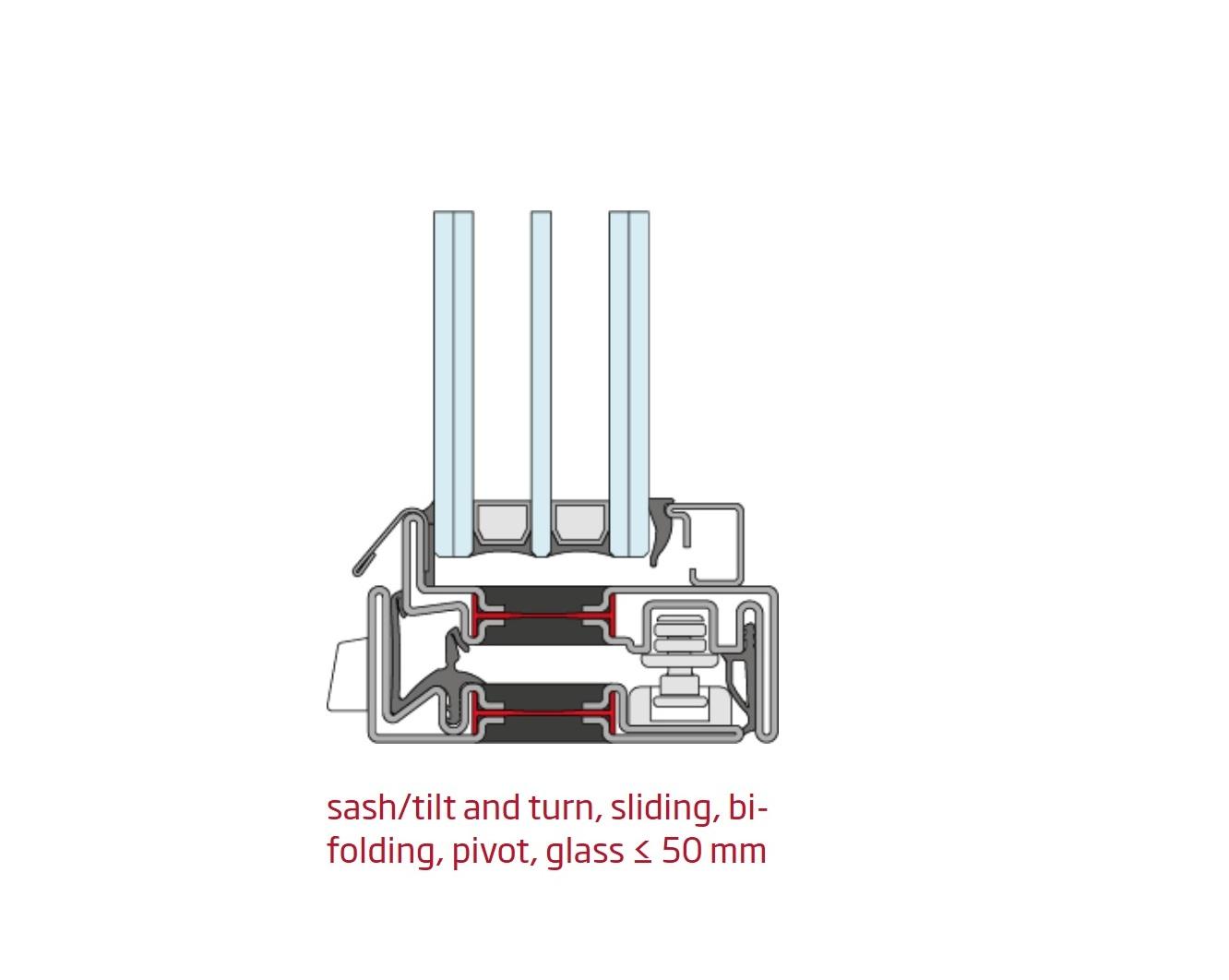
Even the most beautiful slim-frame glazing can fall short if the window is awkward to use. OS65-category specifications often include a mix of fixed panes, casements, tilt-and-turn options (where suitable), pivot solutions, and steel-framed doors.
Hardware should be chosen for the opening size, usage frequency, and security expectations. Smooth operation, clean handle alignment, and robust hinges matter just as much as the frame itself.
5) Glazing choices: safety, acoustics, and solar control
Steel windows are frequently used in large openings, so glazing specification has a major impact on safety and performance. Depending on the project, requirements may include toughened or laminated safety glass, acoustic laminated glass for busy locations, or solar-control coatings to manage overheating.
For design-led homes and apartment developments, acoustic performance can be a deciding factor—especially in urban centres. A slim steel frame paired with the right glass package can deliver both aesthetics and liveability.
Steel windows: why manufacturing capability matters as much as design intent
Steel-framed glazing is inherently detail-sensitive. Small tolerances influence gasket compression, alignment, and how consistently multiple units meet across a façade. Manufacturing quality also affects how smoothly installers can set frames, adjust doors, and achieve reliable sealing on site.
Choosing a Polish steel windows manufacturer with proven workshop processes can reduce risk across the project timeline. This typically includes accurate measuring procedures, clear shop drawings, controlled welding and finishing, and thorough pre-delivery checks. For international projects, packaging standards and export-ready logistics also become part of “quality.”
Portamet as a Polish manufacturer for bespoke steel doors and windows
Portamet manufactures bespoke steel doors and steel windows in Gdańsk, delivering slim-frame glazing solutions for residential, commercial, and hospitality projects. Each unit is custom-made to order, supporting tailored dimensions, glazing layouts, and design details that align with modern industrial and Crittall-style aesthetics.
Key advantages often sought in OS65-style projects—slim steel profiles, precision fabrication, and strong thermal efficiency—are central to high-quality steel-framed systems. With international delivery across Europe, the UK, North America, and the Middle East, specification teams can maintain design consistency across multiple locations and project types.
How to compare OS65-style specifications with alternatives
Steel vs aluminium slim-frame glazing
Aluminium systems can offer strong performance and broad availability, but steel remains distinctive for its rigidity and refined, architectural lines. Steel can achieve very slim sightlines and crisp detailing while supporting large panes. For projects prioritising authenticity in an industrial aesthetic, steel is frequently the preferred material.
True steel systems vs “steel-look” products
Some products mimic steel with thicker frames or applied bars. While cost can be lower, sightlines, proportions, and tactile quality may differ. For premium interiors, heritage renovations, and design-led façades, genuine bespoke steel frames tend to deliver a more convincing result.
Practical tips for specifying slim steel windows successfully
Create a clear performance brief early
Defining priorities—thermal targets, acoustic needs, security expectations, and finish requirements—helps avoid late-stage redesigns. It also makes it easier to compare proposals on an “apples to apples” basis.
Coordinate glazing bars with the architecture
Mullion and transom positions should respond to structural grids, interior elevations, and furniture placement. A consistent pattern across floors and adjacent openings elevates the final look.
Plan interfaces and tolerances
Steel frames meet plaster, brick, stone, and cladding differently. Detail the reveals, thresholds, and drainage strategy early, particularly for exterior doors and large openings.
Request drawings that reflect the final product
Shop drawings should communicate sightlines, opening directions, handle positions, and key section details. This avoids surprises and supports coordination with other trades.
Conclusion: achieving the OS65-style look with the right manufacturing partner
Secco Sistemi OS65-style steel windows represent a high standard of slim-frame glazing—where visual lightness meets modern expectations for comfort and durability. Achieving that balance depends on more than aesthetics; it relies on precise manufacturing, sound thermal strategy, and careful specification.
Exploring bespoke steel frames with a Polish manufacturer such as Portamet can help align design intent with buildable, performance-focused solutions. For projects requiring steel doors, steel windows, or full steel-framed partitions, reviewing options and requesting a tailored quote can be the next step toward a cohesive architectural outcome.