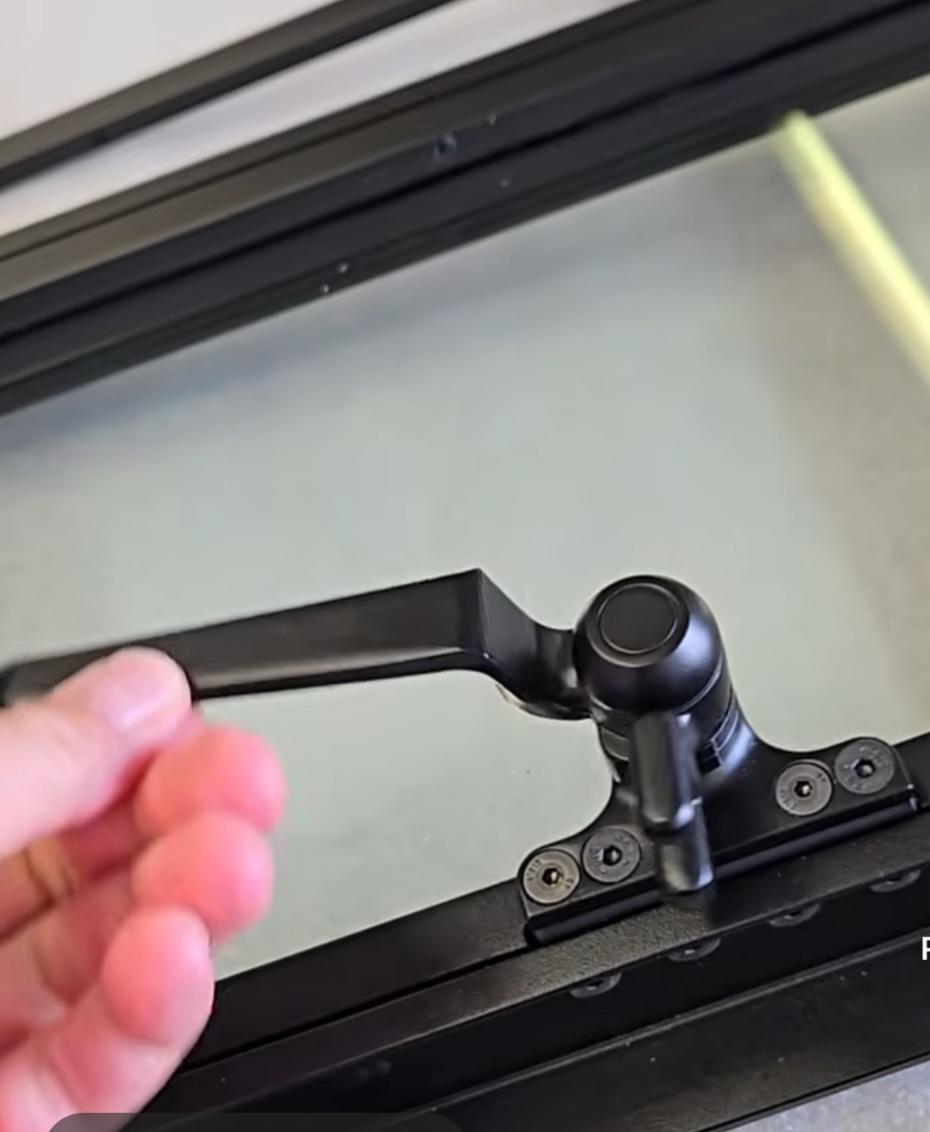
Ottostumm Heritage Window Handles in Steel Windows: A Guide to Timeless Detail and Modern Performance
Small details have a habit of defining the entire feel of a space. A window handle may seem secondary next to sightlines, proportions, and glazing bars, yet it sits at the point of contact—where design becomes experience. In steel windows, that experience matters even more, because the aesthetic is intentionally precise: slim profiles, crisp corners, and carefully considered hardware.
Ottostumm heritage window handles have become a popular choice for projects that aim to capture classic European character while keeping performance firmly in the present. When paired with bespoke steel frames, heritage-style handles can elevate a scheme from “industrial-inspired” to genuinely architectural—balanced, authentic, and built to last.
As a premium Polish manufacturer based in Gdańsk, Portamet produces bespoke steel doors and steel windows for residential and commercial projects across Europe, the UK, and the USA. For architects, designers, and homeowners specifying heritage-style hardware, understanding how Ottostumm handles interact with steel frames, glazing, finishes, and daily use is essential to achieving a cohesive result.
Why Heritage Handles Matter in Slim-Frame Steel Windows
Steel-framed glazing is often selected for its minimal visual footprint. Slim-frame glazing creates crisp divisions and maximises daylight, making it a strong fit for contemporary homes, loft conversions, renovations, and high-end hospitality interiors. However, slim sightlines also mean every component becomes more noticeable—including handles.
Heritage handles introduce a sense of permanence and craft. Their proportions, curves, and surface detailing can soften a sharp steel grid or reinforce a period-correct look in restoration work. When chosen thoughtfully, heritage hardware complements Crittall-style steel windows without tipping into pastiche.
A tactile design element, not just a mechanism
A handle influences the way a window is perceived and used. The weight, temperature, and grip shape affect everyday comfort, while the finish and style affect how the window reads from a distance. In high-spec interiors—especially those with natural stone, timber, lime plaster, or traditional joinery—hardware becomes part of the material palette.
Heritage style can still be modern in performance
There is no need to choose between aesthetics and practicality. Steel windows can deliver excellent weather resistance and thermal performance when engineered correctly, and heritage-style handles can be integrated with robust locking and smooth operation. The key is compatibility: the handle, spindle, locking points, and frame preparation must be aligned from the start.
What Defines an Ottostumm “Heritage” Handle?
Ottostumm is recognised for hardware that suits classic and industrial-inspired glazing, often seen on projects aiming for refined, European heritage character. “Heritage” in this context typically points to several features: traditional silhouettes, solid construction, and finishes that look at home on steel frames.
Common heritage characteristics
- Period-inspired shapes with a balanced lever or curved profile.
- Solid metal feel, often with a reassuring weight and smooth action.
- Finish options that can be matched to steel frame colours and interior palettes.
- Design continuity across window and door hardware families for cohesive specification.
The appeal is straightforward: heritage handles can make slim steel windows feel intentional and complete, particularly in renovation settings where original architecture sets the tone.
How Heritage Handles Complement Crittall-Style Steel Windows
Crittall-style has become shorthand for slim steel sightlines, grid-like glazing bars, and a blend of industrial and classic architecture. In many homes, the goal is not to replicate a single historic era, but to create a timeless composition that feels both modern and rooted.
Matching visual rhythm: bars, mullions, and hardware
Steel windows often use a strong visual rhythm—verticals and horizontals repeating across elevations or internal partitions. A heritage handle should support that rhythm rather than disrupt it. Overly bulky hardware can visually “break” the clean lines, while an under-scaled handle can look like an afterthought.
Ottostumm heritage handles are frequently specified because they tend to sit comfortably within this balance: present and tactile, yet not visually overpowering.
Creating consistency across rooms and elevations
Projects that include steel windows, steel doors, and internal steel partitions benefit from a unified approach to hardware. A consistent heritage handle style can carry through kitchen extensions, garden rooms, stair landings, and internal screens—creating a quiet sense of order that reads as high-end.
Key Technical Considerations When Specifying Heritage Handles for Steel Windows
Heritage style is only half the story. Steel windows are precision products, and hardware must match the window’s opening type, locking system, and performance requirements. Early coordination avoids compromises later—particularly on bespoke projects.
1) Window opening type and handle compatibility
Steel windows may be configured as casement, tilt-and-turn (less common in heritage aesthetics), awning, hopper, pivot, or fixed lights combined with opening vents. Handle requirements vary significantly across these types.
- Casement windows often pair well with heritage lever handles, depending on the chosen locking arrangement.
- Top-hung awning vents may require hardware that supports controlled opening and secure closing pressure.
- Side-hung vents need a handle position that feels natural for everyday use, especially where sightlines are low or where furniture sits close to the window.
Choosing the handle without confirming the opening configuration can lead to awkward ergonomics or unnecessary mechanical complexity.
2) Locking, security, and everyday usability
Security is often a priority in ground-floor applications, urban properties, and projects with accessible terraces. Heritage handles can be integrated with modern locking systems, but it is important to decide early whether keyed locking is required and how many locking points the design uses.
Usability matters just as much. A handle that looks beautiful but feels stiff or imprecise will quickly frustrate occupants. Smooth operation is the product of correct alignment, quality components, and accurate fabrication tolerances—an area where bespoke steel manufacturing has a direct impact on daily satisfaction.
3) Spindle size, fixing method, and frame preparation
Hardware is not a universal plug-in. Handles typically rely on a spindle and fixing points, and steel frames must be prepared accordingly. The steel profile thickness, reinforcement, and internal geometry influence what can be fitted and how it will perform over time.
On bespoke steel windows, correct preparation is part of the manufacturing process. It ensures the handle sits flush, operates cleanly, and does not loosen under repeated use. A manufacturer familiar with slim-frame glazing can anticipate these requirements during detailing rather than treating them as an afterthought.
4) Weather sealing and closing pressure
Heritage aesthetics often evoke older windows with draughts and rattles. Modern steel windows should not. A well-engineered system uses gaskets and controlled closing pressure to deliver tight sealing. Hardware selection affects that pressure and the consistency of compression along the sash.
The best outcome is a window that feels refined: a confident closing action, a clean “pull-in,” and stable sealing—while still presenting classic hardware on the interior.
Choosing the Right Finish: Coordinating Handles with Steel Frames
Finish coordination is where many projects become truly cohesive—or subtly inconsistent. Steel frames can be powder-coated in a wide range of colours and sheens, and heritage handles should be chosen to complement both the frame and the interior material palette.
Popular handle-and-frame pairings
- Black frames + heritage handle in black: a classic Crittall-style look with a consistent, architectural reading.
- Off-black or soft charcoal frames + dark hardware: slightly warmer and less stark, ideal for natural materials and softer interiors.
- White or light frames + contrasting dark handle: a more traditional European feel, often used in period renovations.
- Deep green, bronze, or bespoke colours + complementary hardware: suited to heritage exteriors, garden elevations, or projects seeking a tailored identity.
Matt, satin, or gloss?
Most contemporary steel window schemes favour matt or satin finishes for both frames and hardware. Matt reduces glare, feels more tactile, and tends to look calmer alongside textured materials such as stone and timber. Satin can feel slightly more formal and can be easier to keep looking consistent in high-touch areas.
Gloss can work, but it is less forgiving with fingerprints and reflections—particularly on handles. For high-traffic family homes or hospitality projects, matt and satin often deliver a better long-term impression.
Heritage Handles in Renovation and Conservation Contexts
Many steel window projects sit within older buildings: townhouses, converted warehouses, or countryside properties modernised with sympathetic additions. Heritage hardware can act as a bridge between original architecture and contemporary glazing performance.
Respecting original architecture without copying it
In renovations, the aim is often compatibility rather than imitation. Steel windows can reference historic metal glazing proportions while delivering slim-frame glazing, modern seals, and durable finishes. A heritage handle helps reinforce that reference—especially where original doors, architraves, or ironmongery remain in the building.
The result can feel “inevitable,” as though the windows have always belonged to the architecture, even when the glazing is entirely new.
Consistency across joinery and metalwork
Heritage interiors frequently include a mix of materials: timber skirting boards, panelled doors, and metal balustrades. Coordinating the tone and style of window handles with other ironmongery—door levers, cabinet pulls, and light fittings—helps keep the design disciplined.
Ottostumm heritage handles are often specified in this context because they sit comfortably among both classic and modern elements.
Heritage Handles in Contemporary Homes: When Contrast Works
Heritage hardware is not only for period properties. In minimalist contemporary homes, a heritage handle can provide a subtle counterpoint to large panes of glass and sharp steel lines—introducing warmth and character without clutter.
Adding “human scale” to large glazing
Large-format glazing can be visually striking, but it can also feel impersonal if every detail is ultra-minimal. A heritage handle introduces a point of interest at human scale, making the window feel more crafted and less purely technical.
Creating a curated, layered interior
Interiors that mix modern furniture with vintage pieces often benefit from heritage hardware. The window becomes part of the curated narrative, rather than a purely contemporary insertion. This approach is particularly effective with Crittall-style internal partitions, where handles and latches are seen and touched frequently.
Practical Design Tips for Specifying Ottostumm Heritage Handles
Successful specification is about anticipating how the window will be used. Beyond choosing a handle style that looks right, practical decisions can improve longevity, comfort, and overall satisfaction.
Plan handle height and orientation early
Handle placement affects accessibility and comfort. In kitchens, handles can conflict with splashbacks or worktops if vents are positioned too low. In bedrooms, furniture placement can make a perfectly good handle feel awkward if it ends up behind a bedside table.
On bespoke steel windows, handle height can usually be coordinated with glazing bar alignment and overall elevation design. Early planning preserves both function and aesthetics.
Consider child safety and ventilation needs
Family homes often need controlled ventilation and safety. Depending on the window location, restricted opening or locking options may be appropriate. Heritage handles can be combined with suitable restriction solutions, but this should be resolved at design stage to avoid visible add-ons later.
Choose finishes with real-life maintenance in mind
High-touch surfaces show wear differently depending on finish. Matt black can look excellent for years, but cheaper coatings may polish over time at contact points. A quality handle finish paired with a durable frame coating helps maintain a consistent look.
Cleaning routines matter too. Gentle, non-abrasive cleaning helps preserve both hardware and powder-coated steel frames.
How Handles Relate to Overall Steel Window Performance
It is tempting to treat handles as purely decorative, but they influence performance indirectly through closing force, alignment, and the occupant’s perception of quality.
Operation quality signals build quality
When a handle turns smoothly and the sash closes with an even, confident action, the entire window feels premium. This is where precision manufacturing makes a difference. Slim steel profiles leave little room for error, so accurate fabrication and careful assembly protect both performance and user experience.
Thermal efficiency starts with the system, not just the glass
Thermal performance is often associated with glazing specification, yet the frame system, sealing strategy, and closing pressure all play roles. Modern steel windows can be designed with thermal efficiency in mind while retaining slender aesthetics. Hardware that supports consistent sealing helps maintain comfort and energy performance over time.
Portamet and Heritage Hardware: Bespoke Steel Windows Built Around Real Specifications
Hardware choices deserve the same level of attention as sightlines and glazing patterns. Portamet designs and manufactures bespoke steel doors and steel windows with slim steel profiles, focusing on durability, refined detailing, and performance suited to modern buildings. This bespoke approach supports thoughtful coordination of window configuration, sealing, and compatible heritage-style hardware where required.
With production in Gdańsk, Poland and international delivery, Portamet supplies projects across Europe, the UK, and the USA—supporting architects, designers, builders, and homeowners who want steel-framed glazing that feels both timeless and technically confident.
Common Specification Mistakes to Avoid
Choosing handles after finalising the frame detailing
Late-stage hardware decisions can force compromises: awkward fixing methods, mismatched finishes, or handle positions that fight the glazing bar layout. Heritage handles look best when integrated into the overall composition rather than “added on.”
Ignoring the relationship between handle style and window proportions
A delicate heritage handle can look undersized on a large vent, while an overly prominent handle can overwhelm a finely divided sash. Proportion is critical in steel windows because the frames are intentionally minimal.
Mixing too many metal finishes
It is easy to accumulate multiple “almost black” or “almost brass” finishes across a project. Steel windows, internal screens, door hardware, plumbing fixtures, and lighting can quickly become visually noisy. A disciplined finish schedule keeps the interior calm and considered.
Conclusion: Heritage Handles That Make Steel Windows Feel Complete
Ottostumm heritage window handles can be an excellent finishing choice for steel windows, bringing tactile character and a sense of architectural continuity to both renovation and contemporary projects. The most successful results come from treating the handle as part of the system—coordinated with opening type, locking needs, finish palette, and the visual rhythm of slim steel frames.
For projects where Crittall-style aesthetics, slim-frame glazing, and modern performance need to coexist, bespoke steel manufacturing makes the difference. Exploration of Portamet’s steel doors and steel windows can support a specification that feels timeless in detail and confident in execution, with delivery available for clients across Europe, the UK, and the USA.
For further guidance on matching heritage hardware to bespoke steel frames, enquiries and quote requests can be directed to Portamet to confirm the most suitable configuration, finish coordination, and technical detailing for the project.