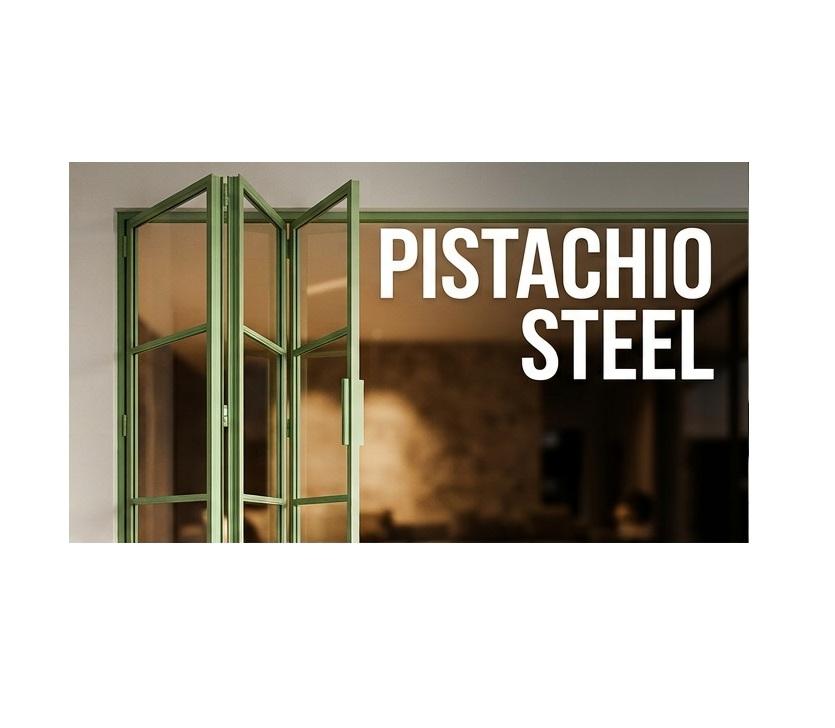
Neutral interiors have had a long moment—but what happens when a space needs warmth, personality, and architectural definition without losing that clean, modern edge? Light green steel doors have emerged as a confident answer: soft enough to feel timeless, distinctive enough to look designed, and structured enough to elevate an entire scheme. In both residential and commercial projects, this colour choice is increasingly paired with slim-frame glazing to create bright, calm spaces with a subtle statement.
As a premium Polish manufacturer based in Gdańsk, Portamet produces bespoke steel doors and windows designed for contemporary architecture and refined interiors. Light green finishes have become a frequent request among architects and design-conscious homeowners looking for a balanced alternative to black Crittall-style steel doors. With custom-made production and international delivery for clients across Europe, the UK, and the USA, tailored colour and performance requirements can be met without compromising on slim sightlines or durability.
Why Light Green Steel Doors Are Trending
Light green has shifted from “accent colour” to “new neutral” in many modern interiors. It works especially well on steel-framed doors because steel already provides strong geometry; the softer tone tempers that structure and makes the glazing feel more inviting. The result is a look that remains architectural, but less stark than traditional black profiles.
Designers are also responding to a broader move toward biophilic design: materials and colours that echo nature, reduce visual noise, and support wellbeing. Light green sits comfortably beside timber, stone, terrazzo, warm metals, linen textures, and natural daylight—making it easy to specify across different styles and budgets.
A Colour That Holds Up Across Design Styles
Light green steel doors suit more than one aesthetic, which explains their rapid adoption. In minimal interiors, the colour adds softness without introducing clutter. In more traditional homes, it can bridge older architectural details with contemporary glazing. In commercial projects—cafés, studios, boutique offices—it provides brandable character without shouting.
- Scandinavian and Japandi: pairs naturally with pale woods, matte finishes, and warm whites.
- Modern farmhouse: complements natural textures, limewash walls, and vintage-inspired lighting.
- Contemporary classic: balances decorative mouldings with slim-frame glazing.
- Industrial softened: keeps the steel aesthetic while reducing harsh contrast.
What “Light Green” Really Means: Choosing the Right Shade
Light green is a family of shades rather than one colour. The right choice depends on the interior palette, the amount of daylight, and whether the door is intended to blend in or stand out. When applied to steel frames, undertones become more noticeable because slim profiles create crisp lines that emphasise colour edges.
Popular Light Green Directions for Steel-Framed Doors
- Sage green: muted and greyed; pairs well with stone, oak, and off-white walls.
- Celadon and pastel greens: brighter and fresher; ideal for light-filled kitchens and creative spaces.
- Eucalyptus green: slightly deeper and earthy; works with warm neutrals and brass.
- Mint-leaning greens: playful but best controlled with minimal surrounding colours.
For slim steel profiles, matte or satin finishes are often preferred, as they reduce glare and keep the look refined. Gloss can be striking, but it highlights surface reflections and may feel less architectural in calm, minimal interiors.
How Lighting Changes the Colour
Light green can shift dramatically through the day. North-facing rooms tend to pull greens cooler and slightly greyer. South-facing rooms bring out warmth and can make the same shade appear more yellow-toned. Artificial lighting matters too: warm LEDs may push light green toward olive; cooler LEDs can make it look minty.
To avoid surprises, large painted samples should be viewed in the actual space at different times of day. For projects with multiple adjacent zones—kitchen into dining, corridor into living—testing the colour against flooring and wall finishes is essential for consistency.
Steel Doors + Light Green: Why the Material Makes the Colour Better
Colour trends come and go, but steel-framed glazing remains a long-term architectural choice. Steel doors and steel windows offer slim-frame glazing that maximises glass area, creating bright, open interiors with strong lines and high-end detail. When finished in light green, those lines become gentler while staying precise—an effect that aluminium often struggles to match at similar sightlines.
Slim Sightlines, Maximum Light
One reason Crittall-style design remains popular is the way it frames light. Slim steel profiles give more room to glazing, which means more daylight and a stronger connection between rooms. Light green enhances that feeling by visually “lifting” the frame, especially in white or warm neutral interiors where black might feel too dominant.
Strength and Stability for Larger Openings
Steel’s inherent strength supports slimmer sections and can be advantageous for larger doors, screens, and partitions where rigidity is crucial. This structural quality helps maintain clean alignments over time—an important detail when specifying multiple adjacent panels, symmetrical grids, or tall pivoting doors.
Where Light Green Steel Doors Work Best
Light green steel-framed doors can be used throughout a property, but certain placements benefit most from the colour’s calming, optimistic tone. The goal is to use green to enhance flow, soften transitions, and add depth—without overwhelming the architecture.
1) Kitchen and Pantry Separations
Kitchens often contain a mix of hard surfaces: stone worktops, cabinetry, appliances, and splashbacks. A light green steel door between kitchen and pantry, utility, or dining space adds a softer focal point while keeping visibility and daylight. Glazing maintains openness; the coloured frame adds design intent.
Fluted or reeded glass is a popular choice here, providing privacy for storage areas while keeping the light moving through the plan.
2) Home Office Partitions
With hybrid work now a long-term reality, home offices need acoustic separation without feeling isolated. A slim-frame steel partition with a light green finish can define a work zone and still keep the rest of the home feeling connected. The colour reads calm on video calls and feels less severe than black framing.
For improved comfort, laminated or acoustic glazing can help reduce sound transmission, especially in open-plan homes.
3) Hallways and Transitional Spaces
Hallways are often overlooked, yet they shape first impressions. A light green steel door at the end of a corridor draws the eye and makes the route feel intentional. Because steel frames are slim, they prevent the hallway from feeling blocked; instead, the space feels deeper and brighter.
4) Bedroom Ensuite and Dressing Rooms
Light green works beautifully with textiles and softer materials found in bedrooms. A steel-framed door to an ensuite or dressing room can look elegant rather than industrial, particularly when paired with warm lighting and brushed metal hardware. Where privacy is required, frosted or patterned glazing keeps the effect light while obscuring details.
5) Commercial Spaces: Studios, Cafés, Boutiques
Retail and hospitality interiors benefit from partitions that guide movement, control acoustics, and create zones—without sacrificing visual openness. Light green steel doors can support a brand identity that feels fresh, artisanal, or nature-led. For boutique offices, the colour can soften meeting rooms and help spaces feel less corporate.
Pairing Light Green Steel Doors with Materials and Colours
A light green steel frame becomes a connecting element across finishes. The most successful schemes treat the door as part of a wider palette rather than an isolated feature. Because steel profiles are slim, the colour reads as a line rather than a block—subtle, but highly intentional.
Best Wall Colours
- Warm whites and creams: keeps the look airy and highlights the green cleanly.
- Soft greys: works with sage tones for a quiet, modern feel.
- Clay and muted terracotta: creates a contemporary earthy palette.
- Deep greens or charcoals (as accents): adds depth while letting the light green remain the highlight.
Flooring Pairings
- Oak and ash: classic with sage or eucalyptus greens.
- Stone and microcement: supports minimal, architectural interiors.
- Terrazzo: complements pastel greens, especially with warm flecks.
- Herringbone timber: adds texture and works well in transitional homes blending old and new.
Hardware and Metal Finishes
Hardware choice can shift the overall tone. Brushed brass warms light green and feels classic. Stainless steel leans modern and crisp. Black hardware adds definition and ties into other dark accents without making the entire door feel heavy.
Consistency matters: repeating the same metal finish across hinges, handles, lighting accents, and tapware helps the door feel integrated rather than decorative.
Glass Options That Elevate Light Green Steel Frames
Glazing selection determines privacy, texture, and how the frame colour is perceived. Clear glass delivers the most architectural look and maximises light, while textured glass creates softness and a more layered feel—ideal when the goal is privacy without blocking daylight.
Clear Glass
Best for open-plan homes, living-to-dining transitions, and spaces where visibility improves flow. Clear glazing also emphasises the slim-frame effect associated with Crittall-style steel doors.
Reeded / Fluted Glass
A strong match for light green frames, as both feel gentle and design-forward. Fluted glass works well for kitchens, bathrooms, and offices, offering partial privacy and attractive light diffusion.
Frosted or Sandblasted Glass
Ideal for ensuites and meeting rooms. Frosted glass keeps the colour line of the steel visible while turning what’s beyond into soft shapes.
Bronze or Grey Tinted Glass
These options can add a premium mood. Tints slightly reduce visible light transmission, so they are best used in bright spaces or where atmosphere is more important than maximum daylight.
Performance Matters: Thermal Efficiency and Comfort
Steel-framed glazing is often associated with industrial aesthetics, but modern systems can also deliver strong thermal performance when engineered correctly. For exterior applications, thermal breaks and appropriate glazing specifications play a crucial role in comfort, condensation resistance, and energy efficiency.
Portamet’s approach focuses on combining slim steel profiles with thermal efficiency suited to contemporary building expectations. This matters for projects where design intent must align with regulations, comfort targets, and long-term running costs—especially in climates with colder winters or strong seasonal shifts.
Interior vs Exterior Steel Doors
- Interior steel partitions and doors: primarily chosen for aesthetics, daylight flow, zoning, and acoustics. Thermal performance is less critical, but glazing thickness and seals still affect comfort and sound.
- Exterior steel doors and steel windows: require thermally broken profiles, insulated glazing units, and correct installation details to prevent cold bridging and drafts.
Specifying the door correctly from the start avoids compromises later—especially if a light green finish is part of a wider design concept that needs to remain consistent between internal and external elements.
Light Green Steel Doors in Renovations: Getting the Details Right
Renovation projects often bring constraints: uneven walls, structural surprises, and limited tolerance for on-site adjustments. Steel-framed doors demand precision, so preparation is essential—especially when working with slim profiles where small misalignments are more visible.
Measure, Then Measure Again
Accurate site measuring is the foundation of a successful bespoke installation. Openings should be assessed not only for width and height, but also for squareness, floor level, and surrounding finishes. Decisions such as whether the frame sits flush, recessed, or proud of the wall affect the final appearance.
Consider the Sightlines Early
Grid patterns, mullion positions, and handle locations should align with surrounding architectural cues. For example, matching the door’s horizontal bars to kitchen worktop height or aligning vertical lines with window mullions can make the entire interior look more considered.
Plan the Colour in Context
Light green should be chosen with adjacent finishes in mind: cabinetry colours, wall paint, flooring tone, and even artwork. Because steel profiles are slim, the colour reads as a precise outline—meaning clashes are more noticeable than on broader timber doors.
New Builds and Architectural Projects: Using Light Green as a Design Tool
In architectural projects, light green steel frames can be used to support wayfinding, create rhythm, and bring cohesion across large areas. In multi-room layouts, repeating the same light green finish on partitions and doors creates a consistent “thread” that ties spaces together.
Creating Calm in Large Open Plans
Large open-plan interiors can feel expansive but visually flat. Steel-framed screens and doors introduce structure without building solid walls. Light green maintains softness, preventing the partitions from feeling too severe while still delivering definition and function.
Highlighting Key Thresholds
Colour can mark transitions: kitchen to dining, public to private zones, or circulation routes. A light green steel door at a key threshold signals a shift without requiring dramatic architectural changes. This is particularly effective in homes where the aim is understated luxury rather than high contrast.
Steel vs Aluminium for Coloured Slim-Frame Doors
Both steel and aluminium are used for slim-frame glazing, but they differ in feel, proportion, and structural character. For light green finishes, these differences can influence the final look.
Visual Slimness and Detail
Steel is often selected for its ability to achieve particularly slender profiles and crisp detailing. That refined line is exactly what makes light green so appealing: the colour becomes an elegant outline rather than a heavy border.
Strength for Large Panels
Steel’s strength can support larger panes and more delicate-looking frames, depending on system design. This can be valuable for tall internal partitions or statement doors where the design intent is maximum glass with minimal frame.
Overall Aesthetic
Aluminium can look clean and modern, but steel carries a distinctive architectural authenticity—especially in Crittall-style applications. Light green applied to steel feels intentional and crafted, blending modern colour trends with a material known for longevity.
Care and Maintenance: Keeping a Light Green Finish Looking Fresh
A well-finished steel door is designed to perform for years, but any painted surface benefits from sensible care. Light colours can show marks more quickly than dark frames, so basic maintenance helps preserve that crisp, premium appearance.
- Routine cleaning: use a soft cloth with mild soap and water; avoid abrasive pads.
- Handle areas: clean more frequently where natural oils and fingerprints accumulate.
- Check seals and hinges: periodic inspection ensures smooth operation and protects the frame.
- Avoid harsh chemicals: strong solvents can dull or damage certain finishes.
In high-traffic commercial environments, specifying a durable finish and practical hardware can reduce visible wear and maintain the intended colour tone over time.
Design Ideas: How to Make Light Green Steel Doors Look Intentional
Light green works best when supported by a few deliberate choices. The goal is not to over-theme the space, but to create a clear relationship between the steel frame and the surrounding materials.
Repeat the Green (Subtly)
Introduce small echoes of the shade—textiles, a painted plinth, ceramic pieces, or joinery details—so the doors feel integrated. Repetition makes the colour look planned rather than incidental.
Let the Frame Do the Work
Because steel profiles are slim, the design impact comes from proportion and alignment. A simple grid, carefully spaced, often looks more premium than overly complex patterns. Light green emphasises that refinement.
Balance with Warm Neutrals
Pair light green with warm whites, natural timber, and tactile materials. This combination keeps the door feeling timeless and prevents the scheme from leaning too cool or overly pastel.
Portamet and Bespoke Light Green Steel Doors
Light green steel doors look effortless when the detailing is right: slim sightlines, precise joints, high-quality glazing, and a finish that suits the project’s palette. Portamet manufactures bespoke steel doors and windows in Poland, with craftsmanship focused on modern performance and architectural clarity. With custom-made production and delivery for projects across Europe, the UK, and the USA, tailored specifications—dimensions, glazing type, grid layout, and colour—can align with both design intent and practical requirements.
For projects that require slim-frame glazing, Crittall-style steel doors, or refined steel windows, light green is proving to be a standout choice: contemporary, calming, and quietly distinctive.
Explore bespoke steel doors and windows from Portamet, or request a quote to discuss a light green finish, glazing options, and the best configuration for a specific interior or architectural project.