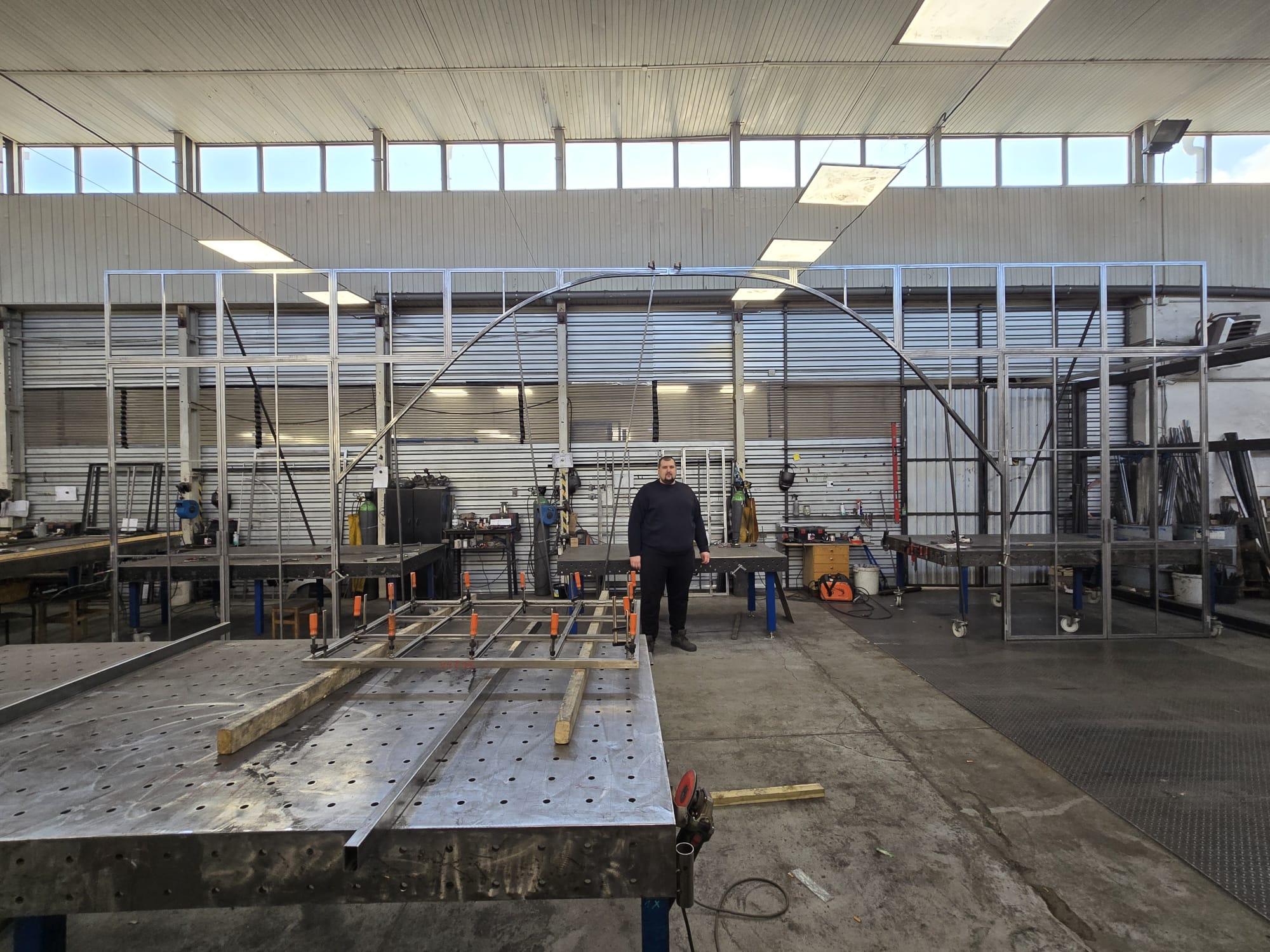
Impressive 55 m² Steel Entrance for a Vineyard in Croatia: Design, Performance, and Planning Tips
When a vineyard wants an entrance that feels as memorable as the first tasting, the threshold matters. In Croatia, a 55 m² steel-and-glass entrance can become more than a façade feature—serving as a welcoming gesture, a climate buffer, and a statement of craftsmanship. Large-format glazing looks effortless when finished, but achieving that clean, slim-frame result depends on smart detailing, precise manufacturing, and the right steel system.
For architects, developers, and owners planning hospitality or winery projects, this guide covers what makes a large steel entrance successful—from proportion and sightlines to wind loads and thermal performance—while showing where bespoke steel doors and windows fit naturally into the concept.
Why a 55 m² Entrance Works So Well for Vineyards
Vineyards often balance rustic landscapes with contemporary hospitality. A generous steel entrance supports that duality: refined and architectural, yet honest in material expression. Steel’s strength allows slim sightlines, which keeps views open and daylight abundant—ideal for tasting rooms, retail corners, and event spaces.
At 55 m², the entrance becomes a destination moment. It can frame vines and rolling terrain like a living artwork, create a sense of arrival, and visually link interior and exterior zones. For vineyards that host tours and weddings, the entrance also helps manage flow, guiding groups without feeling like a barrier.
Steel Framing Advantages at Large Scale
Slim Profiles with High Structural Capacity
Steel is often the go-to choice for Crittall-style aesthetics and slim-frame glazing because it can carry significant loads with narrower sections than many alternatives. That matters in large entrances where the goal is typically minimal visual interruption—more glass, less frame.
In practice, slim steel profiles help maintain elegant proportions across tall panels and wide spans. The resulting grid can be tuned to the building’s rhythm: fewer, larger panes for a contemporary look or a tighter module for a heritage-industrial feel.
Design Flexibility for Bespoke Openings
No two vineyard entrances are truly identical. Terrain, façade geometry, local climate, and interior layout drive custom sizing and function. Bespoke steel frames allow openings to be engineered around the concept rather than forcing compromises to fit standard catalog dimensions.
Portamet specialises in manufacturing bespoke steel doors and windows in Gdańsk, Poland, producing custom-made systems with slim sightlines and durable finishes—an approach that suits one-off entrances designed to anchor a hospitality brand.
Key Design Decisions for a 55 m² Steel Entrance
1) Establish the Right Grid and Proportions
A large glazed entrance needs a clear compositional logic. The mullion-and-transom grid should align with interior elements (bar, reception desk, stair line) and exterior cues (canopy, stone plinth, cladding joints). A well-aligned grid looks calm and intentional; a misaligned grid reads as cluttered, even with premium materials.
Consider these early-stage guidelines:
- Keep sightlines consistent across adjacent glazing for a cohesive façade.
- Use wider modules where views matter most; tighten the module where structure or privacy is needed.
- Coordinate handle height, kick plates, and lock lines so doors look balanced within the overall composition.
2) Choose Door Operation That Matches Guest Flow
For a vineyard, peak loads happen in bursts—tour groups, events, and seasonal weekends. The entrance should avoid bottlenecks and feel intuitive. Common strategies include:
- Double swing doors for ceremonial arrival and high-capacity entry.
- Pivot doors for dramatic scale (when engineering and clearances allow).
- Integrated side panels to preserve symmetry while providing a dedicated accessible route.
- Screen partitions inside the lobby to separate tasting traffic from private back-of-house movement.
In many projects, the best solution mixes fixed glazing with a central opening zone, ensuring the entrance reads as one unified plane rather than a patchwork of parts.
3) Prioritise Thermal Performance—Even in Mild Coastal Regions
Hospitality buildings benefit from stable indoor temperatures: comfortable guests, lower HVAC loads, and fewer condensation issues. Large glazing areas raise the stakes, especially with winter humidity, coastal winds, or strong summer sun.
Thermally efficient steel doors and steel windows can be specified to support energy goals without sacrificing the slim steel look. Key considerations include:
- High-performance glazing (appropriate U-values and solar control, depending on orientation).
- Thermal breaks within the steel system.
- Warm-edge spacers and correct glass specification for condensation resistance.
- Quality gaskets and airtight fabrication to reduce drafts.
For vineyards, where temperature and humidity are already central to wine storage and service, controlling the lobby microclimate can make the entire guest experience feel more premium.
Engineering and Site Considerations (What Makes or Breaks the Result)
Wind Loads, Deflection, and Panel Sizes
Coastal Croatia and exposed hillsides can bring significant wind pressures. Large panes and tall frames must be engineered to limit deflection—protecting glazing seals and keeping doors operating smoothly over time. The steel system, glass thickness, and reinforcement strategy should be calculated to suit the site conditions.
Early coordination between architect, structural engineer, and manufacturer reduces redesigns later. It also helps confirm feasible pane sizes and mullion spacing before the façade is locked in.
Threshold Detailing for Hospitality Use
A vineyard entrance sees foot traffic, wheeled cases, catering trolleys, and event equipment. Thresholds need to be durable and accessible while remaining visually minimal. Good detailing typically includes robust drainage planning, a suitable sill design, and careful transitions to exterior paving to avoid trip edges and water ingress.
Finish Selection: Balancing Aesthetics with Longevity
Steel frames can be finished in a wide range of colours and textures, from deep matte blacks to warm greys and bronzes. For high-traffic hospitality settings, durability matters as much as appearance. Powder coating systems, correct surface prep, and appropriate corrosion protection support long-term performance—especially in humid or coastal environments.
European craftsmanship and controlled fabrication standards are particularly valuable for large-format steel assemblies, where consistency across multiple frames is visible immediately.
Interior Impact: Turning an Entrance into an Experience
A 55 m² steel entrance can act like a light engine for the building. Slim-frame glazing draws daylight deep into reception areas and tasting rooms, reducing reliance on artificial lighting during the day. In the evening, the effect reverses: warm interior light turns the entrance into a beacon that invites guests in.
Steel-framed partitions and screens can extend the language beyond the façade. Using matching steel profiles indoors creates continuity—useful for separating retail from tasting areas, creating private event zones, or forming acoustic lobbies without closing off views.
Planning Checklist for a Large Bespoke Steel Entrance
- Define performance goals: insulation targets, airtightness expectations, and solar control needs.
- Confirm functional requirements: peak visitor flow, accessibility routes, and service access.
- Align the grid: coordinate sightlines with interior planning and façade geometry.
- Engineer for the site: wind loads, exposure, and structural connections.
- Detail thresholds and drainage: essential for long-term reliability.
- Select a proven manufacturer: bespoke fabrication, slim steel profiles, and consistent finishing.
Where Portamet Fits into Projects Like This
Large, statement entrances demand precision—both in design and fabrication. Portamet manufactures high-quality bespoke steel doors and windows, including Crittall-style and slim-frame glazing systems, built to order in Poland and delivered internationally across Europe, the United Kingdom, the United States, Canada, and the Middle East.
For vineyard architecture, that combination of slim sightlines, durability, and thermal efficiency supports a refined guest experience—while allowing the entrance to remain the project’s signature detail.
Next Step
Project planning for a large steel-and-glass entrance can move faster when performance, proportions, and manufacturing constraints are discussed early. Portamet product options, finish choices, and technical guidance can help shape a 55 m² entrance that looks effortless and performs reliably year-round. Enquiries and quote requests can be shared alongside drawings, dimensions, and location details to begin specification.