
1.What are fire-rated steel doors?
Steel doors with a fire rating certificate can withstand the spread of fire for a predetermined amount of time. Usually built of steel, these doors have a transparent intumescent coating or paint applied on top to make them fire resistant. They are a crucial part of a building's fire protection system since they are made to maintain their structural integrity and stop the spread of fire and smoke inside a building or a house.
2.Why are fire-rated steel doors important?
Steel doors that have been fire-rated are vital for protecting a building's fire protection system. They aid in slowing the spread of fire and smoke, allowing for more time for residents to leave and emergency personnel to attend to the disaster. Additionally, compartmentalizing a building with fire-rated doors can assist stop fires from transferring from one portion of the building to another.
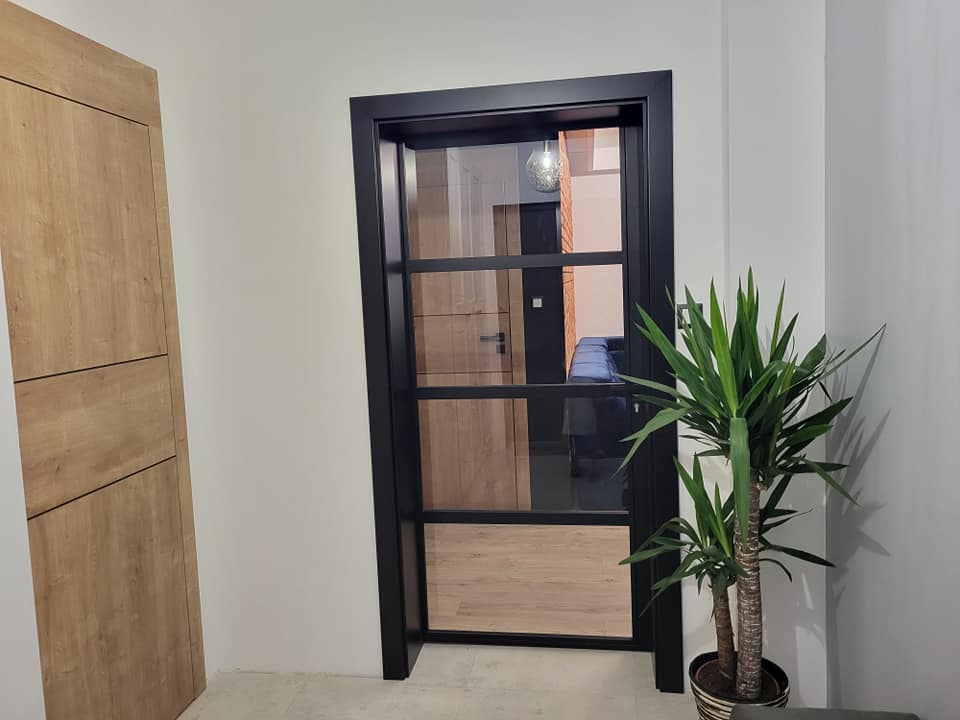
3.What are the different fire ratings for steel doors?
Steel doors that are fire-rated are classified according to how long they can survive a fire's spread. 20 minutes, 45 minutes, and 90 minutes are the most typical ratings. These ratings show how long the door can withstand a fire test, which simulates how fire and heat move throughout a building.
4.What are the requirements for fire-rated steel doors?
Fire-rated steel doors must adhere to a number of standards in order to be deemed compliant. These consist of:
Fire-rated Crittall steel doors must undergo testing to confirm that they can survive the spread of fire for the allotted amount of time.
Internal and external Steel doors that are fire-rated must be fitted in compliance with any applicable building codes, as well as the manufacturer's instructions.
Steel fire doors need to be regularly inspected and maintained to make sure they are functioning properly and last for years of use.
Steel doors that are fire-rated must be self-closing or automatic to ensure that they are shut in the event of a fire.
5.What are the differences between fire-rated steel doors and fire-rated wood doors?
There are several significant distinctions between fire-rated steel doors and fire-rated wood doors, despite the fact that both are intended to impede the spread of fire and smoke. Steel doors are frequently utilized in commercial buildings where there is a higher risk of fire since they are thought to be more resilient and fire-resistant than wood doors. However, wood doors, which are frequently used in residential and historic structures, might be more aesthetically pleasing.
6.How are fire-rated steel doors tested?
"Steel doors that are fire-rated are put to the test in accordance with fire industry norms like UL 10B and UL 10C. Crittall doors are assessed according to how long they can withstand these tests, which simulate the spread of fire and heat inside a building. Steel crittall door is subjected to intense heat and flames throughout the test, and its capacity to contain the spread of fire and smoke is assessed."
7.How to maintain fire-rated steel doors?
Fire-rated steel doors need to be regularly tested and maintained to make sure they are in good working order. This comprises:
- examining the door and its hardware for any deterioration or damage.
- ensuring that the door opens and closes smoothly and is correctly aligned.
- examining the automatic or self-closing devices to make sure they are functioning properly.
- Cleaning the door and its hardware to get rid of any accumulation or debris that can prevent it from working properly.
- putting any necessary treatments or coatings on the door to shield it from the weather
8.Are there specific codes that need to be followed for fire-rated steel doors?
Yes, fire-rated steel crittall doors must be installed in line with all applicable building codes as well as the manufacturer's instructions. These codes outline the specifications for fire-rated doors, including the required hardware, door size, and fire rating. To guarantee that fire-rated doors are fitted appropriately and efficiently, organizations like the National Fire Protection Association (NFPA) and the International Building Code (IBC) established these rules.
9.How to determine the fire-rating for a steel door?
A sign or plate attached to the door itself normally lists the steel door's fire rating. The rating—such as 20 minutes, 45 minutes, or 90 minutes—as well as other details like the manufacturer and the date of manufacture—are listed on the label. The literature and website of the manufacturer will also make reference to the door's rating.
10. Are there other types of fire-rated doors available?
There are fire-rated glass doors, fire-rated wood doors, and fire-rated steel doors in addition to those mentioned above. Commercial buildings frequently utilize fire-rated glass crittall doors to offer a fire barrier and let natural light in. Since they may act as a fire barrier while preserving the appearance of the building, fire-rated wood doors are frequently utilized in residential and historic buildings. Be sure to order steel fire rated doors in crittal style only at a trusted producer.
In conclusion, fire-rated crittall steel doors are a crucial part of the fire safety system in a building. They aid in slowing the spread of fire and smoke, allowing for more time for residents to leave and emergency personnel to attend to the disaster. To guarantee that the door can function as intended in the event of a fire, it's crucial to adhere to specified codes, make sure the door is tested and rated, and repair it periodically. It's crucial to be aware of other choices, such as wood doors and glass that is fire resistant.